Megakaryocyte proteome in myeloproliferative neoplasms
Speaker: Indu Raman Moderator: Adrian Boey
Online live: Apr 28, 2026 8:00 PM ET | 5:00 PM PT Views: 3493
 Q&A
Q&A
 WEBINAR SERIES

Abstract
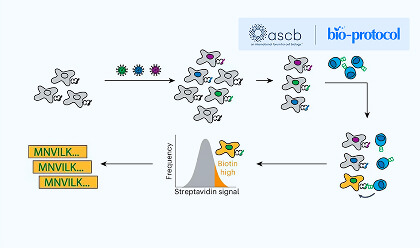
Megakaryocytes are considered to be drivers of disease biology in the Philadelphia-negative myeloproliferative neoplasms. Yet, a proteomic characterization of these cells is lacking due to sparse numbers in the bone marrow and the disruption of bone marrow architecture in myeloproliferative neoplasms. Transcriptomic studies have been conducted on megakaryocytes differentiated from peripheral blood hematopoietic stem cells, and any effect of the highly disrupted bone marrow microenvironment on gene expression of megakaryocytes is lost. This study takes an unbiased low-input spatial proteomics approach to study in vivo megakaryocytes in myeloproliferative neoplasms for the first time.
Highlights
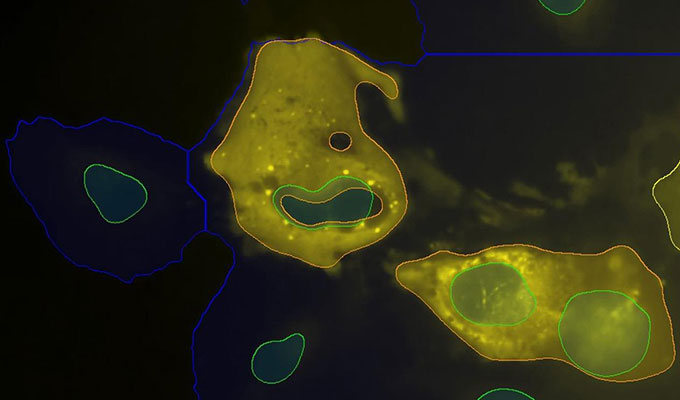
- A novel workflow for low-input spatial proteomics combining immunohistochemistry, artificial intelligence–based image analysis, and laser capture microscopy.
- The first mass spectrometry–based proteomic study of in vivo–differentiated megakaryocytes in humans.
- The first study to confirm that megakaryocytes have disease-specific proteomic signatures in classical Philadelphia-negative myeloproliferative neoplasms.
Speaker

Indu Raman, M.D.
PhD Candidate, Walter and Eliza Hall Institute of Medical Research
Dr. Indu Raman is a clinical and laboratory hematologist and a doctoral student with a strong interest in understanding the molecular mechanisms un...
View more 

Moderator

Adrian Boey, Ph.D.
Applications Specialist, Leica Microsystems
Adrian Boey obtained his PhD on the gene regulation of Cytochrome P450s from the University of Melbourne in 2011. He has worked in a diverse range ...
View more
Keywords
Megakaryocytes, Myeloproliferative neoplasms (MPNs), Spatial proteomics, Bone marrow microenvironment, Low-input proteomics, Hematologic malignancies
References
Raman I, et al. Characterisation of the megakaryocyte proteome in patients with Philadelphia negative myeloproliferative neoplasms. Blood. 2025;146(Supplement 1):5539.
Sponsor

Do you have a question about this webinar?
Post your question, and we'll invite the webinar speaker to respond. You're welcome to join the discussion by answering or commenting on questions ( Note: Not all questions, especially those not directly relevant to the webinar topic, may be answered by the speaker. ).

+
 Post a Question
0 Q&A