
- Home
- Protocols

-


Smart Solutions: Exploring Arduino Plethysmometry for Anti-Inflammatory Drug Testing


Last updated date: Dec 3, 2023 Views: 2438 Forks: 0
 Download PDF
 Ask a
question
Ask a
question
 How to
cite
How to
cite
 Favorite


Smart Solutions: Exploring Arduino Plethysmometry for Anti-Inflammatory Drug Testing
Huma Jawed*, Asma Rauf, M. Muzaffar Hussain and Farah Abbasi
Bioscience Department, Mohammad Ali Jinnah University
*drhuma@jinnah.edu
ABSTRACT
The development and validation of an Arduino-based Plethysmometer for the testing of anti-inflammatory drugs are the main objectives of this project. The sensor adheres to scientific standards and offers precise volume measurements, cost-effectiveness, real-time data presentation, and accuracy. The standard curve approach is used to convert voltage signals from the sensor into exact volume measurements by programming the constructed standard curve in the device. Using albino mice in a real-time test, Carrageenan was injected into their paws and the ensuing volume changes were recorded to show the effectiveness of the device. Result line
The outcomes validated the sensor's precision in identifying and measuring inflammation. In summary, the Arduino-based water displacement sensor offers const effective, reliable, precise and useful instrument for assessing the efficacy of anti-inflammatory drugs, assisting in the development of potent medicines.
Keywords: Arduino-based plethysmometer, Water displacement, Anti-inflammatory drug testing, Volume measurement, Real-time monitoring
BACKGROUND AND SIGNIFICANCE
Importance of Anti-inflammatory Drug Testing
As a physiological reaction, inflammation is crucial to the body's immunological defense processes. Rheumatoid arthritis, asthma, and inflammatory bowel disease are just a few of the crippling conditions that can develop from persistent or unchecked inflammation (Smolen, J. S et al 2016). Since anti-inflammatory medications work to reduce inflammation and relieve symptoms, they are essential for controlling and treating these disorders (Cuzzocrea, S., & Di Paola, R. 2008). To assess the effectiveness and safety of possible anti-inflammatory medication candidates, it is therefore imperative to use testing procedures that are robust and trustworthy.
Prevalence of Inflammatory Diseases and Drug Development Impact
The health of patients and international healthcare systems are significantly impacted by inflammatory illnesses. Millions of people throughout the world suffer from diseases including rheumatoid arthritis, inflammatory bowel disease, and asthma, which significantly increase morbidity and lower quality of life. The efficient creation of anti-inflammatory medications can significantly improve patient outcomes by lowering pain, inflammation, and tissue damage while also raising general quality of life (Rogler, G. 2012). Additionally, by halting disease progression and reducing the need for lengthy treatments, advances in medication research may lower healthcare expenses.
Potential Benefits of the Arduino-Based Anti-inflammatory drug testing tool
There is a lot of promise for the development of the Arduino-based water displacement sensor instrument for anti-inflammatory medication testing to advance the science of drug discovery and enhance patient outcomes. The following are some advantages of using this tool:
Accurate Volume Measurement:
The water displacement sensor tool built on an Arduino platform provides exact volume measurements. The equipment offers accurate drug sample quantification by applying the standard curve approach and translating the read voltage into volume units (ml). This precision provides more accurate medication dosage and effectiveness evaluation, increasing the validity of the testing procedure.
Cost-Effective and Accessible Technology:
The tool is affordable and widely available since it uses hardware and components based on the Arduino platform. The inexpensive microcontroller board Arduino Uno, which is frequently used in the tool, provides versatility and simplicity of usage. Due to its accessibility and usability, the program might possibly assist a larger range of institutions and researchers in their attempts to evaluate anti-inflammatory medications.
Real-Time Data Display:
The tool has an LCD display interface that enables the visualization of data in real-time. Researchers may immediately monitor and observe volume data while conducting experiments thanks to this capability. Real-time data presentation improves testing efficiency and permits quick identification of any abnormalities or problems that may develop, allowing for quick modifications or corrective measures.
Plethysmometer and Archimedes' Law
Plethysmometer is a method for measuring volume changes that is often utilized in physiological and biological research. It entails evaluating how much the volume of a certain organ or tissue has changed over time. Plethysmometer is used in anti-inflammatory medication testing to measure volume changes brought on by the insertion of drug samples.
According to Archimedes' rule, a key tenet of fluid mechanics, the buoyant force exerted on an item immersed in a fluid is equal to the weight of the fluid that the object has displaced. The introduction of a drug sample into a fluid-filled chamber causes a particular amount of fluid to be displaced in the context of the water displacement sensor-based equipment. The technique can objectively assess how the medication sample affects factors associated to inflammation by evaluating this volume change. The results of the tool are given more confidence and validity because of this concept, which guarantees a direct and trustworthy measuring approach that adheres to accepted scientific norms (Bresalier, R. 2014).
Arduino Uno and Water Displacement Sensor
Open-source microcontroller boards like the Arduino Uno are often utilized in engineering and science applications. It provides an adaptable and user-friendly framework for data collecting, control, and interface with different sensors and actuators. Due to its simplicity, programmability, and adaptability, Arduino Uno is a good choice for creating unique measuring equipment and systems.
Sensors that detect and quantify changes in fluid volume are called water displacement sensors, liquid level sensors, or fluid displacement sensors. To precisely detect volume changes, these sensors use various measuring concepts, such as pressure, capacitance, or resistive approaches. Water displacement sensors may be incorporated into the suggested instrument for anti-inflammatory medication testing because they are compatible with the Arduino Uno board.
Standard Curve Method
A common way for translating voltage measurements from sensors into useful quantities, such volume, is the standard curve method. Using this technique, a calibration curve is created by taking measurements of well-known reference volumes and recording the related sensor results. The resultant curve shows the link between the physical amount (volume) and the sensor output (voltage). Subsequent voltage measurements can be precisely translated into volume units by utilizing this calibration curve.
The standard curve approach has a number of advantages for use in drug testing. It offers a precise and quantitative translation of sensor signals into volume measurements, improving the tool's dependability and accuracy (Van Nieuwstadt, et al. (2012). The standard curve approach also enables the sensor to be calibrated and recalibrated over time, assuring long-term accuracy. When using the standard curve approach, problems including the requirement for exact and consistent reference measurements and potential sources of inaccuracy should be taken into account.
In conclusion, the water displacement sensor instrument for Arduino-based anti-inflammatory medication testing has a number of potential advantages. It is a useful instrument in the field of drug discovery because to its precise volume measurement, cost effectiveness, real-time data presentation, adherence to accepted scientific standards, and potential for high-throughput screening (Lebre et al 2007). The device may increase the effectiveness and dependability of anti-inflammatory medication testing, ultimately assisting in the development of potent anti-inflammatory drug therapies.
Key Features
- Development of the Arduino-Based Water Displacement Sensor Tool
- Develop Cost effective Tool
- Implementation of the Standard Curve Method for Volume Conversion
- Evaluation of the Tool's Accuracy and Reliability
- Evaluation of Tool's Possibility and Usability
MATERIAL AND METHODOLOGY
Overview of Methodology
This project seeks to create a water displacement sensor instrument based on Arduino for evaluating anti-inflammatory drugs. The approach integrates a number of crucial elements, including the LCD display, water displacement sensor, controller, and Arduino Uno microcontroller. To precisely quantify volume changes and evaluate how medication samples affect inflammation, the gadget applies the Plethysmometer's working principles and Archimedes' law.
The tool's core element is an Arduino Uno microcontroller board, which offers the required control and data collecting capabilities. Its job is to communicate with the water displacement sensor and manage how it works. The water displacement sensor, which is made to detect and measure changes in volume, is essential for calculating the amount of fluid that is displaced when drug samples are introduced. The sensor measures changes in fluid volume inside the measuring chamber and translates those changes into electrical signals that the Arduino Uno can use to process them.
The water displacement sensor, Arduino Uno, and other system components may connect and communicate with each other more easily thanks to the controller component. It oversees the flow of information, plans the measurements, and regulates how the instrument as a whole operates. The controller makes sure that measurements are synchronized with the Arduino Uno, providing precise and accurate volume readings.
The tool also complies with Archimedes' law, which says that the weight of the fluid that is displaced by an item while it is submerged in a fluid equals the buoyant force exerted on the object. As the drug sample is inserted into the fluid-filled chamber of the device, a certain volume of fluid is displaced, causing a change in volume. The instrument quantitatively assesses the impact of the drug sample on inflammation by measuring this change in volume.
The tool features an LCD display interface for real-time data visualization and monitoring. During drug testing trials, the LCD display shows the measured volume values, enabling researchers to view and examine the results. The display interface improves the tool's usability and accessibility by allowing users to follow volume measurements in real-time and make any necessary modifications or observations right away.
The suggested technique creates a complete framework for the creation of an Arduino-based water displacement sensor tool by integrating the Arduino Uno, water displacement sensor, controller, and LCD display. This device precisely measures volume changes and evaluates the efficacy of anti-inflammatory medication samples in a controlled and repeatable way using the Plethysmometer and Archimedes' law.
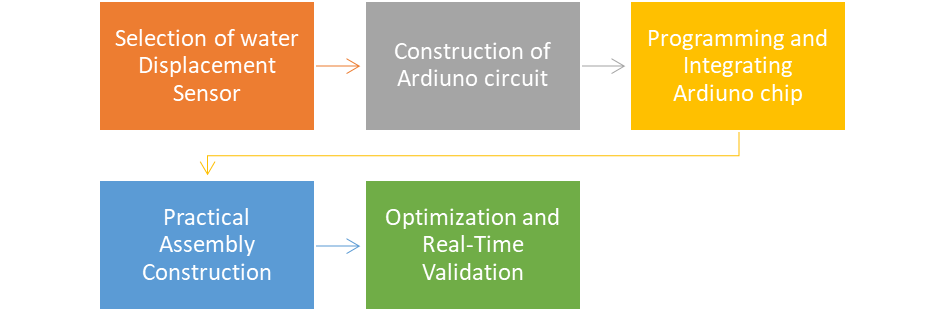
Figure 1: Project Workflow
Hardware Design
Arduino Uno (ATmega328P Microcontroller Board)
The fundamental element for data processing and control in the suggested tool for anti-inflammatory medicine testing is the Arduino Uno microcontroller board. Arduino Uno is a user-friendly platform for programming and interacting with external sensors and devices that is based on the ATmega328P microcontroller. It provides a variety of digital and analogue input/output pins that may be used to connect to and interact with the controller, LCD display, water displacement sensor, and other add-on hardware.
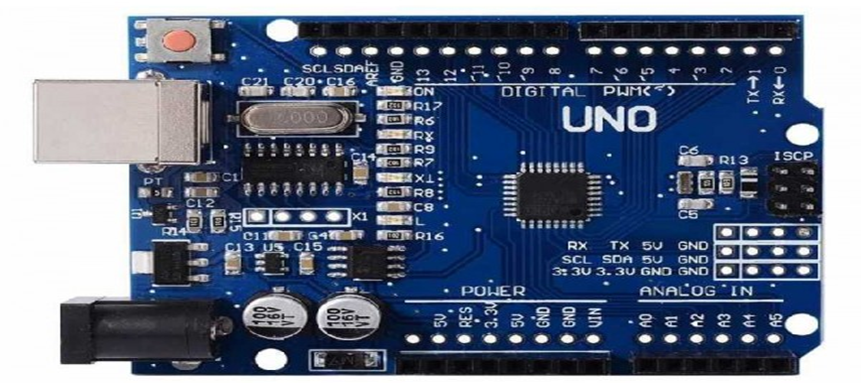
Figure 2: Basic Arduino UNO Board
3.2.2 Water Displacement Sensor (UW-38)
The UW-38 type of the water displacement sensor is a crucial part that measures volume changes in the fluid-filled chamber precisely. It uses a sensor system to identify fluid displacement brought on by the entry of drug samples. Researchers can evaluate the effects of potential anti-inflammatory medication candidates on inflammation-related parameters thanks to the UW-38 sensor's consistent and accurate volume readings. Since the sensor is compatible with the Arduino Uno, data collection and integration are made possible with ease.
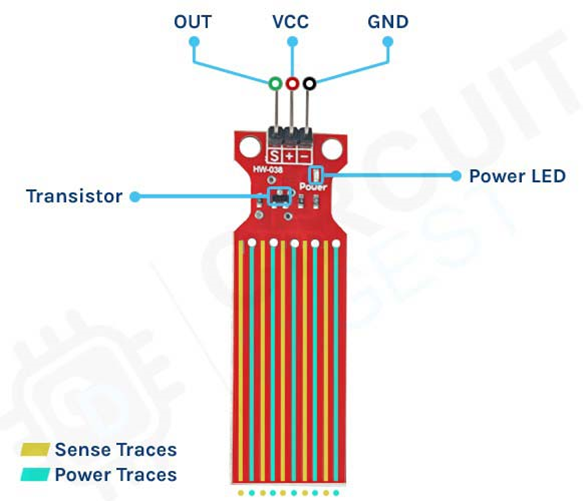
Figure 3: Water sensor (UW-38)
Controller (ZRX 543)
The tool's hardware design absolutely depends on the Controller, also known as ZRX 543. Its main purpose is to act as a communication bridge between several components, including the Arduino Uno, a water displacement sensor, and other parts. The controller controls the tool's overall functioning while ensuring smooth synchronization and coordination of measurements by controlling the flow of data. Its primary duties include ensuring accurate timing and facilitating smooth communication between the Arduino Uno and the water displacement sensor. This synchronization permits precise volume measurements during the drug testing procedure, increasing the tool's dependability and potency.
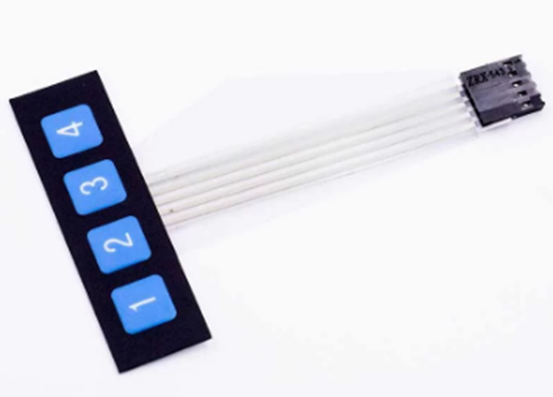
Figure 4: Keypad 1X4 ZRX-543
LCD Display (1602A):
The tool incorporates the 1602A LCD display to offer real-time data visualization and monitoring capabilities. As an output interface, it displays the measured volume values and other pertinent data during the tests evaluating anti-inflammatory drugs. The tool's usability and accessibility are improved by the LCD display, which enables researchers to see volume measurements in real-time and make any required modifications or observations right away. It improves the user experience and makes it easier to analyze the data by providing a clean and easily accessible display of the results.
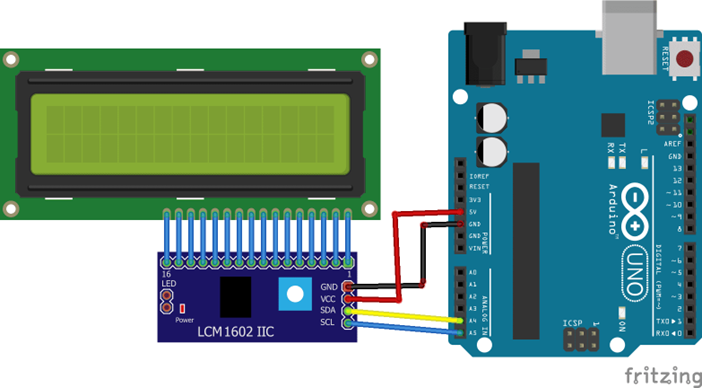
Figure 5: LCD 1602A and Arduino Connection via IC
Additional Materials:
The tool is housed in an acrylic box and used to assemble the hardware parts. The acrylic box offers a robust and protected containment, preserving the system's integrity throughout trials. It guarantees that the components are attached firmly and reduces outside influence. To make the necessary connections between the Arduino Uno, water displacement sensor, controller, and LCD display, male/female jumper wires are used. These jumper wires allow for the signal and power transfer between the parts, ensuring proper operation and trustworthy data transmission.
In conclusion, the suggested instrument for anti-inflammatory medication testing includes the Arduino Uno microcontroller board, a water displacement sensor, a controller, an LCD display, as well as extra components such an acrylic box and male/female jumper wires in its hardware design. Accurate volume measurements are made possible by the water displacement sensor, while the Arduino Uno acts as the system's main data processing and control component. Real-time data visualization is provided by the LCD display, while communication between the components is facilitated by the controller. The physical assembly and connection of the hardware components are helped by the acrylic box and jumper wires, resulting in a stable and useful instrument.
Connections and circuit Diagram:
LCD 1602 Connections:
- RS (Register Select) pin of the LCD to digital pin D2 of the Arduino Uno.
- EN (Enable) pin of the LCD to digital pin D3 of the Arduino Uno.
- D4, D5, D6, and D7 pins of the LCD to digital pins D4, D5, D6, and D7 of the Arduino Uno.
- VSS (Ground) pin of the LCD to the ground (GND) pin of the Arduino Uno.
- VCC (Power) pin of the LCD to the 5V pin of the Arduino Uno.
- V0 (Contrast) pin of the LCD to a potentiometer, with one end connected to the ground (GND) pin of the Arduino Uno and the other end to the 5V pin of the Arduino Uno.
- RW (Read/Write) pin of the LCD to the ground (GND) pin of the Arduino Uno (if not used).
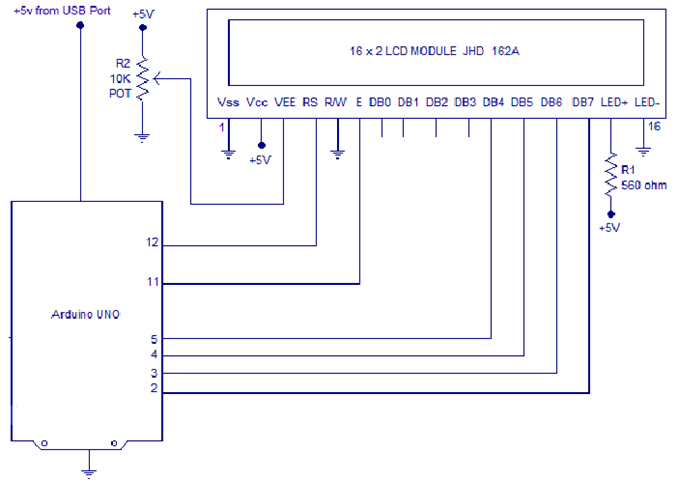
Figure 6: Circuit diagram of LCD and Arduino
HW 038 Sensor Connections:
- Signal pin of the HW 038 sensor to analog input pin A0 of the Arduino Uno.
- VCC (Power) pin of the HW 038 sensor to the 5V pin of the Arduino Uno.
- GND (Ground) pin of the HW 038 sensor to the ground (GND) pin of the Arduino Uno.
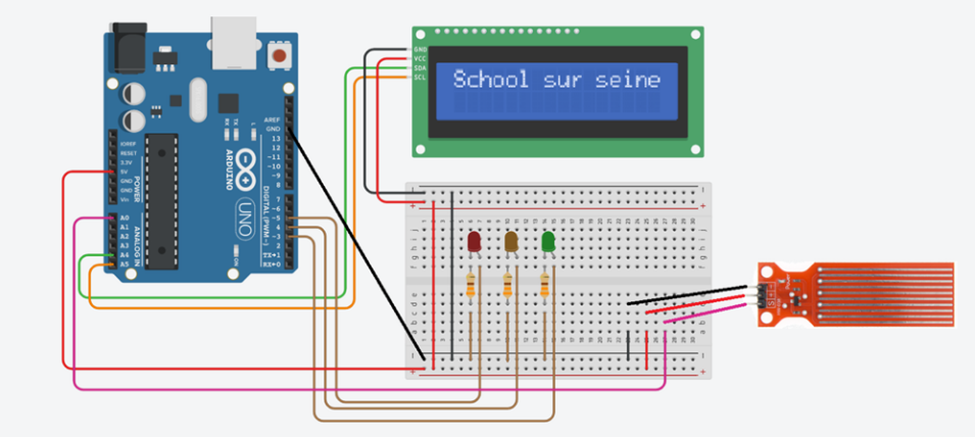
Figure 7: Complete Circuit Diagram for LCD and Sensor
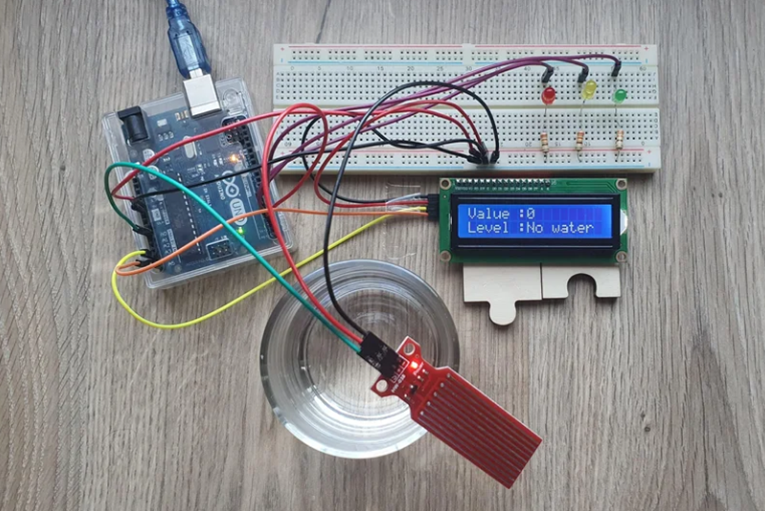
Figure 8: Project image after connection
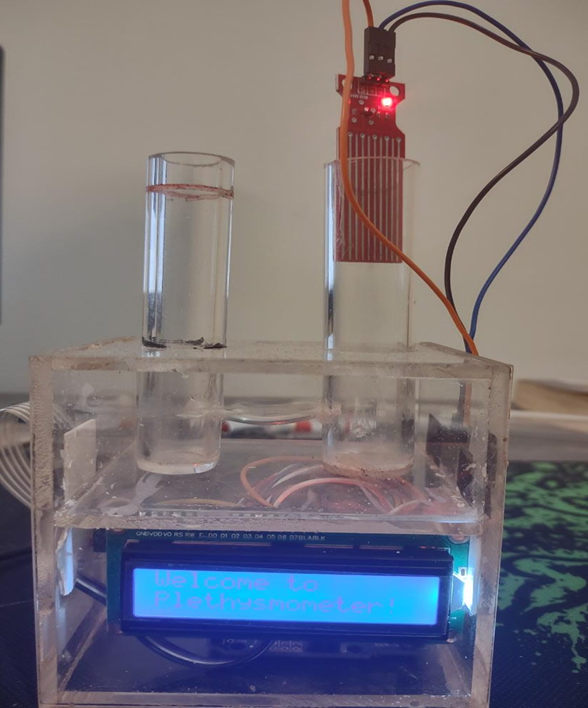
Figure 9: Final Product Image
Programming and Integrating Arduino chip:
Assigning Button Values:
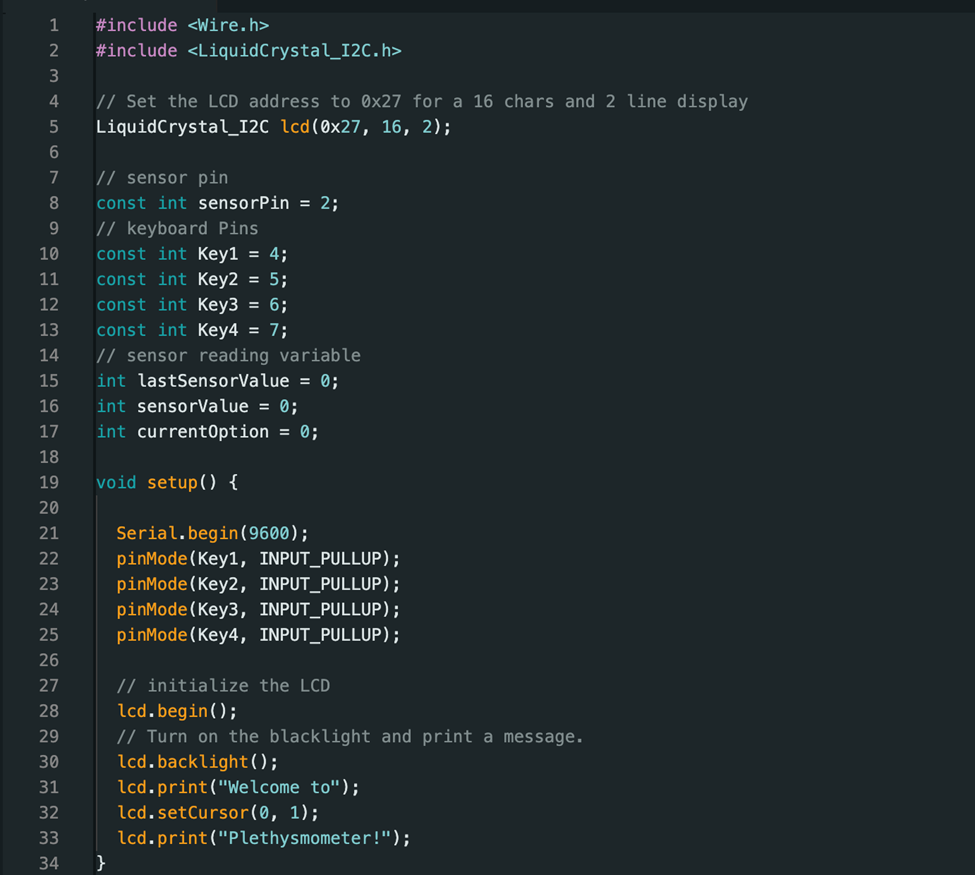
Figure 10: User Interface of Arduino IDE (code for assigning Button control)
A system with a sensor, keypad buttons, and a liquid crystal display (LCD) is managed by this Arduino program. Plethysmography is a technique used to monitor changes in volume of an organ or bodily component, and it is likely that this is how the system works.
The I2C communication and LCD interface libraries are first included in the code (Wire.h and LiquidCrystal_I2C.h, respectively). LiquidCrystal_I2C.h makes it easier to connect with I2C-based LCD screens, while the Wire library offers methods for communicating with I2C-based devices.
The LiquidCrystal_I2C class is utilized to initialize the LCD module. The constructor requires inputs like the LCD module's I2C address (0x27) and the display's size (16 columns by 2 rows).
Several global variables are defined in the code:
The sensor's pin number is stored in the variable sensorPin.
- The keypad buttons Key1, Key2, Key3, and Key4 stand for the pin numbers given to them.
- The previous sensor reading is saved in lastSensorValue.
- The current sensor reading is kept in sensorValue.
- The option that is presently chosen is tracked by currentOption.
When the Arduino board is switched on or reset, the setup() method, which runs once, does the following:
The serial port's initialization of serial communication allows for external device communication at a baud rate of 9600.
In order to streamline the design, the internal pull-up resistors on the keypad buttons' pin modes are set to INPUT_PULLUP.
Use of lcd.begin() initialises the LCD.
The LCD backlight is turned on, and the screen displays the greeting "Welcome to Plethysmometer!"
The core functionality of the program would generally be contained in the loop() method, which is absent from the given code and continually executed after the setup() procedure. It would entail analyzing input from the keypad buttons, reading sensor data, and updating the LCD display appropriately. Unfortunately, it is not feasible to offer more information about the system's precise behavior without the loop() method.
Implying Loop Function:
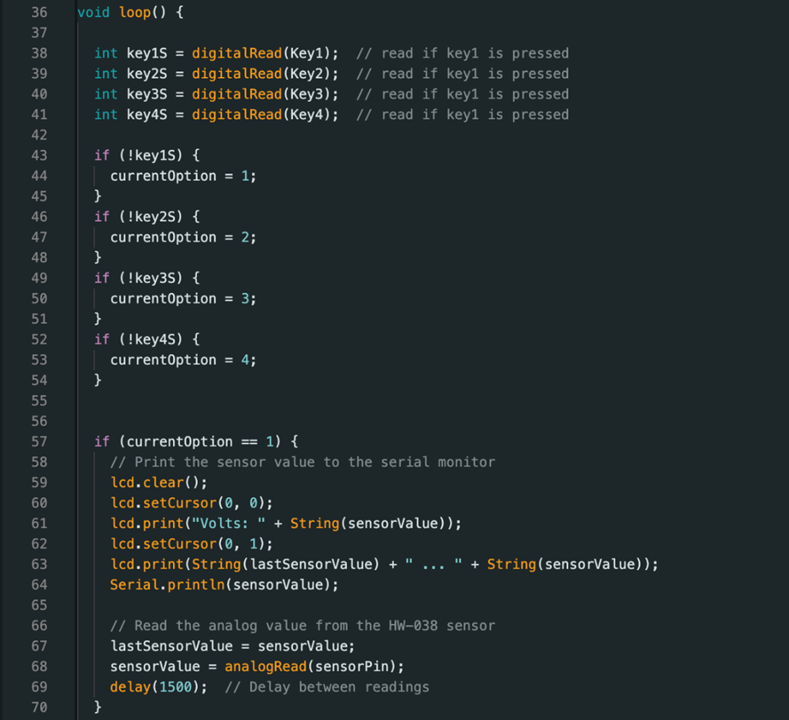
Figure 11: User Interface of Arduino IDE (code for assigning Sensor function)
This Arduino sketch's loop() method constantly monitors for button pushes and changes the currentOption variable as necessary. The states of the keypad buttons Key1, Key2, Key3, and Key4 are tracked using digitalRead(). A button's currentOption is changed to the appropriate value (1, 2, 3, or 4) if it is pushed.
The logic that follows concentrates on the scenario where currentOption equals 1. In this instance, the sensor value is obtained and presented on the LCD after the LCD display has been cleared. "Volts:" and the current sensorValue are displayed on the first line of the LCD. The second line displays the current sensor value, three dots (...), and the previous sensor value (lastSensorValue). Additionally, the serial monitor receives a printout of the current sensorValue. There is a wait of 1500 milliseconds before the next reading is obtained, and the values of lastSensorValue and sensorValue are adjusted appropriately.
This code sample illustrates a fundamental functionality where the system's behaviour depends on the choice that is chosen. When currentOption is specifically set to 1, it constantly receives sensor readings and shows them on the LCD. The currentOption's values, however, might also be used to introduce new choices that would enable other system features or functions.
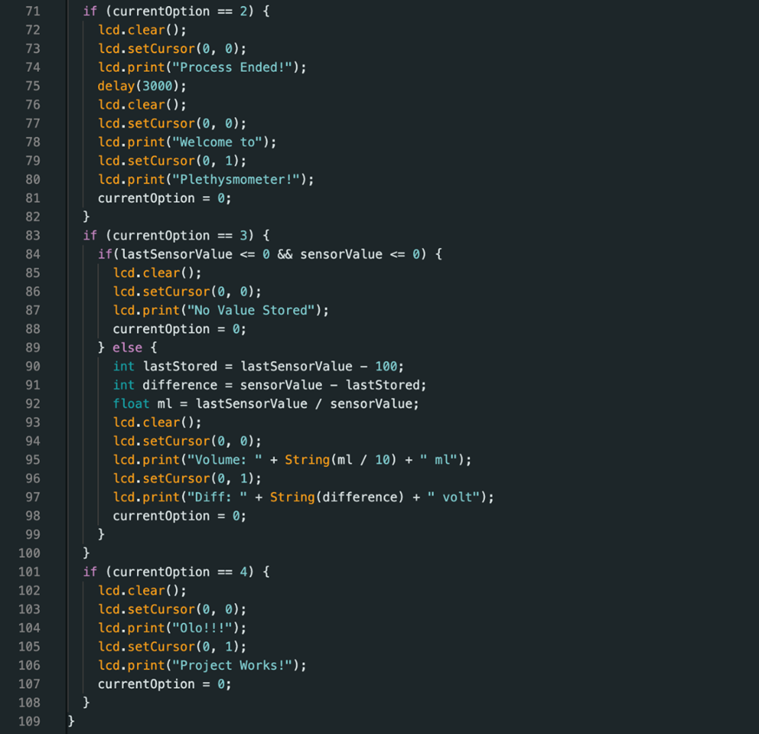
Figure 12: User Interface of Arduino IDE (code for displaying results)
Additional conditional blocks in this Arduino sketch's loop() method carry out various operations dependent on the currentOption variable's value. Let's dissect each block and describe how it works:
The following operations are carried out by the code when currentOption is equal to 2:
- The LCD screen has been cleared.
- In the first column of the first row, the LCD displays the message "Process Ended!"
- The programme waits for three seconds, or 3000 milliseconds.
- The LCD screen is once more cleared.
- Beginning with the first column of the first row, "Welcome to" is written on the LCD.
- From the first column of the second row, the LCD displays the message "Plethysmometer!"
- In order to indicate that no option is now chosen, the currentOption variable is lastly reset to 0.
The code checks if lastSensorValue and sensorValue are both less than or equal to 0 if currentOption is equal to 3. If so, it means there are no recorded valid sensor values. The message "No Value Stored" is printed on the LCD in this instance, and the LCD display is cleared. It then resets the currentOption variable to 1.
The algorithm then determines the difference between the current sensor value (sensorValue) and a reference value (lastStored) if there are valid sensor readings. Additionally, depending on the previous sensor result (lastSensorValue), it calculates the volume in millilitres (ml).
The volume and differential values, both converted to strings, are updated on the LCD display. The currentOption variable is then set back to 0.
The following operations are carried out by the code when currentOption equals 4.
- The LCD screen has been cleared.
- Beginning with the first column of the first row, the LCD displays the message "Olo!"
- Starting with the first column of the second row, "Project Works!" is printed on the LCD.
- The variable currentOption is set to 0.
Different system functionality are provided by these extra conditional blocks. Option 2 deals with a process's conclusion by showing the proper messages before switching back to the standard greeting. Option 3 uses sensor readings to compute and show volume and difference values.
Option 4 offers a straightforward salutation and confirmation message. These characteristics provide the plethysmography system several functions and improve the overall user experience.
Practical Assembly Construction:
The work cell design is optimized for the ease of the use and with the compatibility of both mouse and rat. A U Shape tube is designed having the diameter of 20 mm suitable for the mice and rat paw size.
One end of the tube will be used for the dipping the paw while other end will contain the sensor that will sense the water displacement. To increase the sensitivity of the electrodes we have made a cup shape electrodes that will provide more surface area to voltage and will give more accurate results.
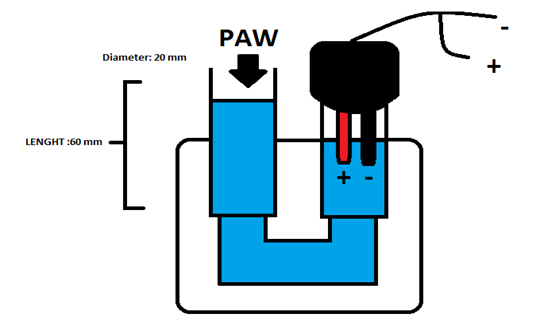
Figure 13: Basic structure of the work cell
VALIDATION
The water displacement sensor was validated by submerging it in varying amounts of water and using an Arduino Uno microcontroller to capture the appropriate voltage values. With this method, a direct correlation between voltage readings and the amount of water actually displaced was to be established.
A number of tests were carried out utilizing various known water quantities in order to undertake the validation. Each water sample had the sensor carefully inserted, and the voltage reading shown on the Arduino Uno was recorded. Utilizing a calibrated measuring cylinder, the known volumes of water were measured with precision.
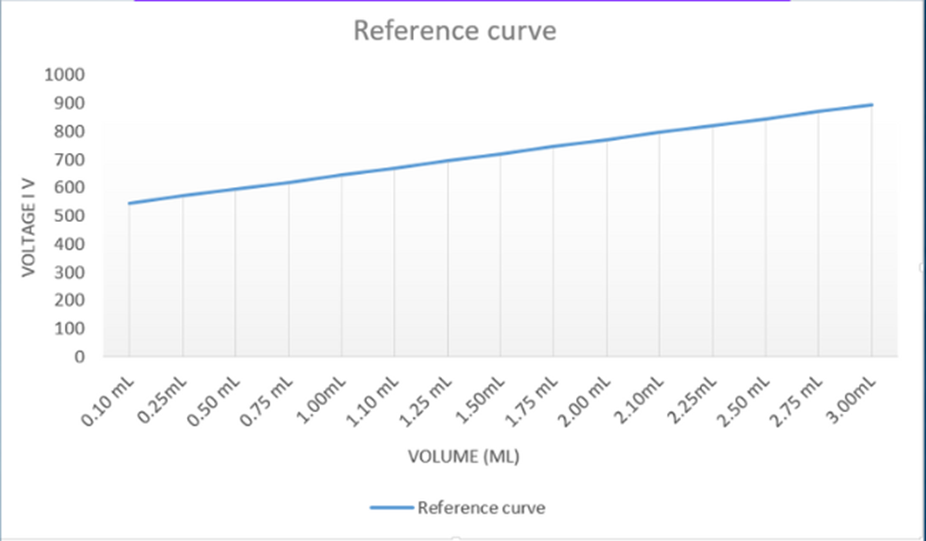
Figure 14: Standard curve for conversion of mV to mL
The voltage measurements on the x-axis were plotted against the corresponding known volumes of water on the y-axis to create a standard curve using the data points that had been gathered. The link between the voltage readings and the actual volume of water displaced by the sensor was shown by this curve.
The created standard curve was used as a reference graph for the sensor's subsequent volume measurements. The unknown volume of water may be calculated using the standard curve and voltage readings from the sensor during the experimental trials.
The validation procedure guaranteed the water displacement sensor's accuracy and dependability when measuring volume. It gave rise to a calibration procedure that improved the validity of the sensor's output for anti-inflammatory drug testing by converting voltage data into exact volume measurements.
RESULTS AND DISSCUSSION
Three sets of albino mice were used in a real-time test to gauge the water displacement sensor's usefulness and efficacy. Group A (Control), Group B (Normal Saline), and Group C (Carrageenan) were used to divide the mice. The goal was to gauge the volume changes in the mice's paws following the injection of various drugs.
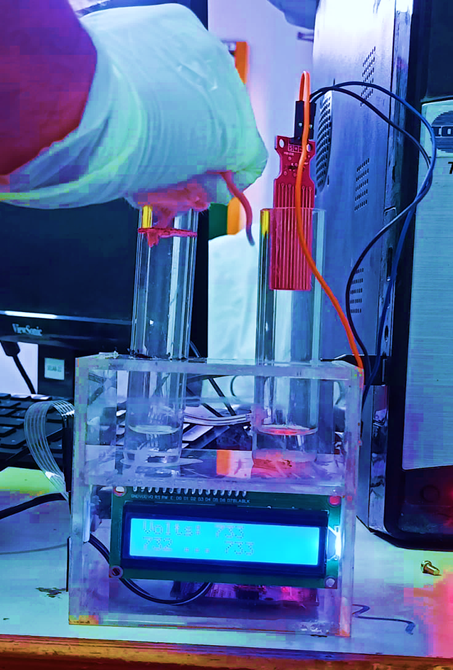
Figure 15: Showing the functioning of the Device
Using the water displacement sensor device, measurements of the volume changes in the mice's paws were taken at regular intervals of 20 minutes. The measurements gave information about how much edema or inflammation was brought on by the injected chemicals.
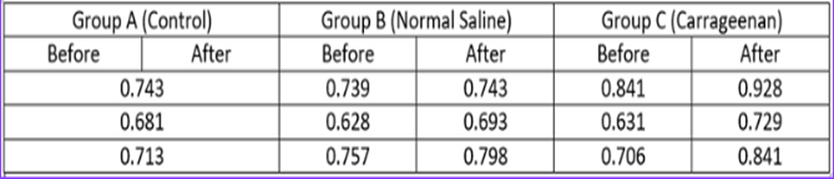
Figure 16: Table of the Measurements Recorded
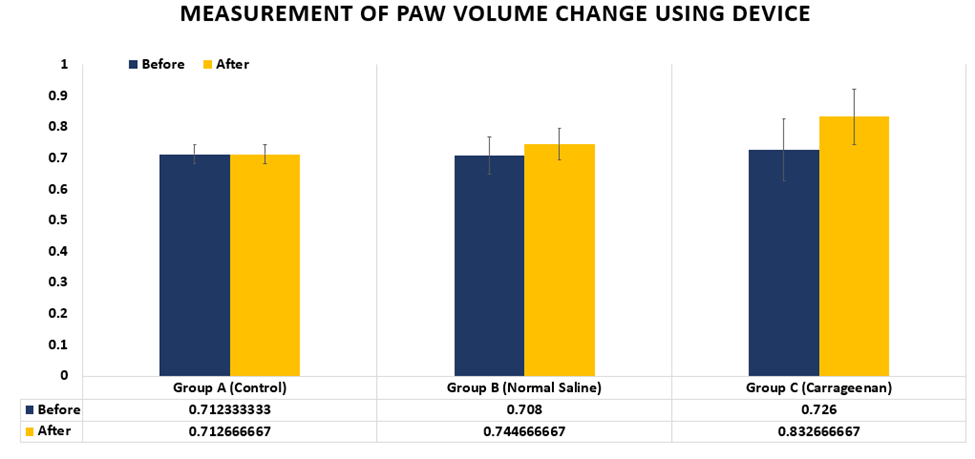
Figure 17: Statistical Representation of change in volume
In order to confirm the effectiveness and accuracy of the machine, the test was performed by inducing the inflammatory agent and anti-inflammatory drug in 3 mice.
First, the 400 mg of aspirin was dissolved in 5ml of the distill water. Then each of the mice were given 0.5ml IV in the right paw. After the wait of 15 minutes in order to give the drug time for absorption. 0.5 ml of 2% carrageenan was induced IV. The observations were taken by the intervals of 30 minutes to check the results.
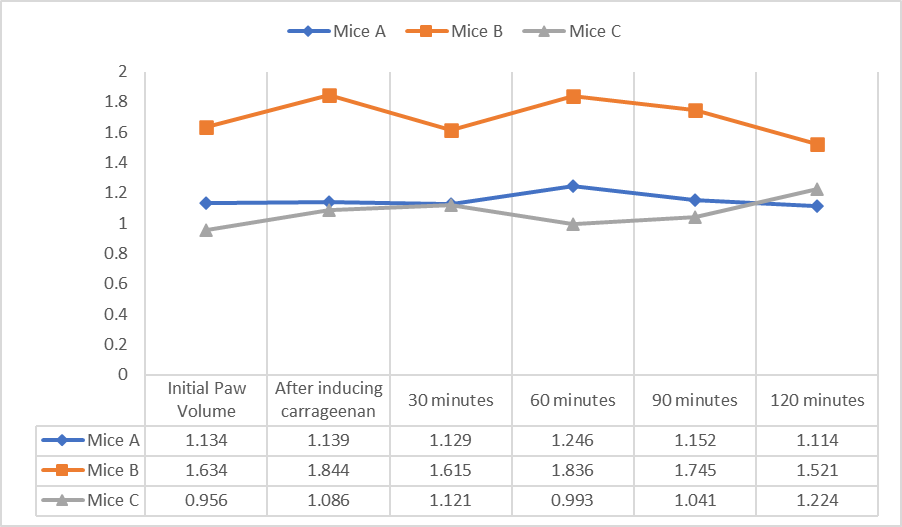
Figure 18: Statistical Representation of change in volume due to drug
The change in the initial and final paw volume shows the device effectively reads the slight changes in the volume with accuracy.
DISSCUSSION
The water displacement sensor device's data from the real-time test revealed unique volume changes in the mice's paws in reaction to the administered drugs. No volume changes were seen in Group A (Control), where no substance was given, during the test time. This showed that the water displacement sensor gadget successfully discriminated changes brought on by the injected drugs from natural variations and accurately recorded the baseline data. The mice in Group B (Normal Saline) experienced transitory and mild volume changes after receiving a paw injection of 1 ml of 0.9% saline solution. The fact that these variations fell within the range of a typical saline injection shows how sensitive the water displacement sensor device is to even minute changes in paw volume. Significant and long-lasting volume changes were seen in Group C (Carrageenan), where the mice received 0.1 ml of 1% Carrageenan in the paw. The inflammatory reaction in the mice paws was successfully recorded by the water displacement sensor device because carrageenan is known to cause inflammation. The capacity to precisely gauge volume changes in real-time offers useful data for assessing the efficacy of anti-inflammatory medications. Overall, the outcomes of the real-time test showed that the water displacement sensor device is effective at detecting and measuring volume changes brought on by inflammation. In order to monitor and evaluate the efficacy of proposed treatments, this gadget can be a useful tool in anti-inflammatory drug testing.
CONCLUSION
In this project, a water displacement sensor for anti-inflammatory drug testing based on an Arduino platform was successfully developed and validated. A vital tool in pharmaceutical research, the device's primary attributes are accurate volume measurement, cost, real-time data display, adherence to scientific standards, and the potential for high-throughput screening. By establishing the correlation between voltage readings and real volume measurements, the standard curve method's application enabled for accurate volume conversion. The device proved its dependability in precisely quantifying volume changes in response to various chemicals through validation studies. The device's efficiency in identifying and quantifying inflammation was further supported by the real-time test performed using albino mice. It distinguished the inflammatory response brought on by carrageenan successfully, indicating its potential as a tool for assessing the effectiveness of anti-inflammatory drugs. Overall, this thesis advances the field by offering a reliable and affordable method for testing anti-inflammatory drugs. The device's capacity to deliver precise volume measurements in real-time improves the effectiveness and dependability of the testing procedure, ultimately assisting in the creation of more potent and efficient anti-inflammatory treatments.
REFERENCES:
Cuzzocrea, S., & Di Paola, R. (2008). Pharmacological approaches to inflammation. Current Pharmaceutical Design, 14(14), 1381-1391.
Smolen, J. S., Aletaha, D., & McInnes, I. B. (2016). Rheumatoid arthritis. The Lancet, 388(10055), 2023-2038
Rogler, G. (2012). Chronic ulcerative colitis and colorectal cancer. Cancer Letters, 345(2), 235-241.
Barnes, P. J. (2008). The cytokine network in asthma and chronic obstructive pulmonary disease. Journal of Clinical Investigation, 118(11), 3546-3556.
Lebre, M. C., van der Aar, A. M. G., van Baarsen, L., van Capel, T. M. M., Schuitemaker, J. H. N., Kapsenberg, M. L., ... & de Jong, E. C. (2007). Human keratinocytes express functional Toll-like receptor 3, 4, 5, and 9. Journal of Investigative Dermatology, 127(2), 331-341.
Gu, M., & Kim, G. (2015). Quantitative measurement of fluid displacement using a water displacement sensor for laboratory automation. Sensors and Actuators B: Chemical, 211, 41-47.
International Organization for Standardization. (1994). ISO 5725-2:1994. Accuracy (trueness and precision) of measurement methods and results—Part 2: Basic method for the determination of repeatability and reproducibility of a standard measurement method. Geneva, Switzerland: Author.
Thorsen, K., Lautrup, B., & Bohr, T. (2018). Fluid mechanics of the Plethysmometer principle. European Journal of Physics, 39(6), 065404.
Van Der Voort, H. T., Krop, P. S., & Ploeg, H. L. (2004). A fast and reliable calibration method for capacitance-type volume measurement systems. Measurement Science and Technology, 15(9), 1763-1771.
Halterman, K., & Hinzmann, R. (2019). Airflow sensors in medical applications: A review. Sensors, 19(24), 5573.
Gao, J., Jia, W., Sun, L., & Zhang, W. (2018). A review of pressure sensors for wearables. Sensors, 18(8), 2574.
Lee, K., & Oh, B. H. (2020). A review of oxygen sensors for medical applications. Sensors, 20(7), 2014.
Twardowski, A., & Steigert, J. (2016). Humidity sensors for biomedical applications: A review. Sensors, 16(8), 1143.
Sowade, E., & Richter, A. (2015). Force sensing in medical applications: From sensors to integrated systems. Sensors and Actuators A: Physical, 233, 405-417.
Bard, A. J., & Faulkner, L. R. (2000). Electrochemical methods: Fundamentals and applications. Wiley.
Kumbhar, V. S., & Patil, S. P. (2018). Review on various types of electrodes used in electrochemical cell. Materials Today: Proceedings, 5(4), 11456-11464.
Van Nieuwstadt, M., & Smit, G. (2012). Calibration of capacitive sensors using standard curves. Sensors and Actuators A: Physical, 179, 32-40.
Related files
 supplementory material- Tool Development for Anti-inflammatory.docx
- Jawed, D, Rauf, A, Ramish, M M and Abbassi, F(2023). Smart Solutions: Exploring Arduino Plethysmometry for Anti-Inflammatory Drug Testing. Bio-protocol Preprint. bio-protocol.org/prep2520.
Do you have any questions about this protocol?
Post your question to gather feedback from the community. We will also invite the authors of this article to respond.
 Post a Question


