- Protocols

- Articles and Issues
- For Authors
- About
- Become a Reviewer


Articles in press
Articles In Press
Articles In Press are peer reviewed and have been accepted for publication. Please note that these versions may be subject to further edits before their final online publication. Nevertheless, Articles In Press are citable using the DOI. Upon the formal online publication, the article will no longer be listed here, but existing links will automatically redirect to the final version in the corresponding issue.
TurboID-Mediated Proteomic Study in the Primary Cilia of Embryonic Mouse Brain
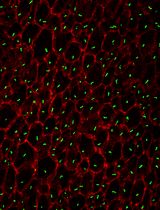
Primary cilia of radial glia are important signaling compartments during embryonic brain development, but their molecular composition in vivo remains difficult to characterize. Conventional ciliary isolation can introduce substantial non-ciliary contamination, whereas APEX-based proximity labeling requires hydrogen peroxide (H2O2) to initiate labeling, and BioID generally requires prolonged labeling times. Here, we describe a step-by-step protocol for in vivo proximity-labeling proteomics of radial glial primary cilia in the embryonic mouse telencephalon using a Cilium-TurboID transgenic mouse model. TurboID is targeted to radial glial cilia through a ΔARL13B-GFP fusion under the BLBP promoter, enabling rapid biotin labeling in freshly dissected embryonic brain tissue. Following labeling, the tissue is subjected to subcellular fractionation, neutravidin-based enrichment of biotinylated proteins, on-bead trypsin digestion, TMT labeling, and quantitative mass spectrometry. This workflow enables spatially targeted profiling of the low-abundance ciliary proteome directly in native embryonic brain tissue, while avoiding the need to physically isolate primary cilia and eliminating the requirement for H2O2 during proximity labeling. The rapid labeling kinetics of TurboID also provide improved temporal resolution compared with conventional BioID, making the workflow well-suited for investigating ciliary protein composition in developing neural tissues.
Semi-Automated Workflow for Segmenting and Quantifying Ribosomes in Electron Tomograms of High-Pressure Frozen and Resin-Embedded Samples
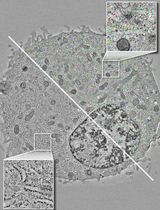
Ribosomes are the central molecular machines of protein synthesis, and accurate counts of ribosome numbers are essential for linking translational capacity to cellular physiology. Common approaches infer ribosome abundance indirectly, for example, by measuring rRNA or ribosomal proteins, which can obscure spatial heterogeneity and sample-specific differences. This protocol presents an accessible image analysis pipeline for segmenting and counting individual ribosomes in three-dimensional transmission electron microscopy (3D-TEM) data. Established experimental procedures, namely high-pressure freezing (HPF), freeze substitution, resin embedding, serial semi-thick sectioning, and dual-axis tomography, are summarized here with direct references to primary protocols. The core of this work details electron tomography reconstruction and dual-axis stitching in IMOD 5.1, region-of-interest cropping in Fiji, and a semi-automated segmentation pipeline in arivis Pro 4.5. This pipeline inverts and denoises tomograms, detects ribosomal particles with a tuned Blob Finder routine, applies empirically derived voxel-count thresholds alongside a laboratory-specific shrinkage correction, and converts segmented counts to ribosomes per cubic micrometer and, for cultured cells, per cell. Validation shows that tomographic counts agree with independent biochemical rRNA measurements to within the same order of magnitude, and the protocol states the false-positive and false-negative limitations inherent to nonspecific heavy-metal staining.
Long-Term Neutrophil Depletion and Flow Cytometric Analysis of Brain Neutrophils in the 5xFAD Mouse Model
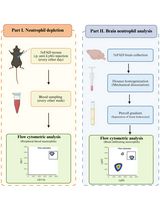
Neutrophils are the most abundant circulating leukocytes in human blood and have been implicated in the progression of Alzheimer’s disease (AD). Elevated neutrophil numbers have been observed in the blood and brain parenchyma of AD patients and mouse models, yet their precise pathological role remains poorly understood. A major barrier to progress is the lack of validated protocols for long-term neutrophil depletion and reliable recovery of brain-infiltrating neutrophils for characterization. Here, we describe a step-by-step protocol for sustained neutrophil depletion in the 5xFAD mouse model using intraperitoneal injection of an anti-Ly6G antibody for six weeks. We used a dose-escalation strategy to maintain depletion efficiency, as neutrophil regeneration increases over time. We also applied a previously established flow cytometry method to monitor neutrophil depletion in peripheral blood, using an antibody panel designed to avoid interference from the depleting anti-Ly6G clone. Furthermore, we present an optimized brain tissue processing workflow that combines mechanical dissociation with Percoll density gradient centrifugation to collect brain-infiltrating neutrophils for downstream flow cytometric analysis. Here, this workflow was applied and validated in the 5xFAD mouse model but is not specific to AD brain tissue and may be applicable to other mouse models.
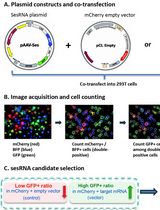
Transcriptomic Signature-Guided EGFP Labeling of Alveolar Epithelial Cells via RNA Sensing in Mouse Lungs In Vivo and Human Idiopathic Pulmonary Fibrosis Lung Slices Ex Vivo
Single-cell RNA sequencing has revealed transient and disease-associated alveolar epithelial states that are difficult to access with conventional transgenic approaches. Here, we describe a programmable RNA-sensing workflow based on CellREADR [cell access through RNA sensing by endogenous adenosine deaminases acting on RNA (ADAR)] to couple a selected cellular RNA signature to enhanced green fluorescent protein (EGFP) translation. The protocol covers sequence-encoded sensing RNA (sesRNA) design and cloning, in vitro validation of sesRNA-dependent EGFP expression in HEK293T cells, production and heparin-column purification of adeno-associated virus variant 6.2FF (AAV6.2FF), delivery to mouse lungs, and application to human idiopathic pulmonary fibrosis (IPF) precision-cut lung slices (PCLS). Sensors targeting Sftpc, Pdpn, or Sprr1a can be used to label alveolar type 2, alveolar type 1, and injury-induced Krt8+ alveolar differentiation intermediate cells in mice and KRT17+KRT5- aberrant basaloid cells in humans, respectively. Because cell specificity is programmed by the sensor sequence rather than a cell type–specific promoter or newly generated mouse line, this approach can be rapidly adapted to emerging transcriptomic targets in both experimental mouse models and human lung tissues, enabling cross-species validation and translational investigation of disease-associated epithelial states.
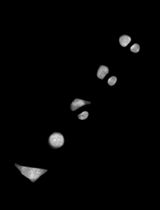
Quantification of Asymmetric Division in Cancer Cells via a Flow Cytometry and Cell Sorting–Based Protocol
Asymmetric partitioning of cellular components during division contributes to generating phenotypic heterogeneity and plasticity in genetically identical cells, like bacteria or cancer cells. Traditionally, this partitioning noise has been investigated using live-cell time-lapse confocal microscopy; however, while imaging offers high spatial resolution, it suffers from low statistical throughput and labor-intensive cell tracking. To overcome these limitations, we present a protocol that combines high-throughput flow cytometry and sorting with a theoretical model to precisely quantify partitioning noise during cell division. This method details the experimental setup for measuring cellular components in dividing populations, the data acquisition pipeline, and the implementation of the mathematical framework to extract inheritance parameters. Applicable to both suspension and adherent cells, we have validated our approach against live-cell imaging of adherent colon cancer cells. Hence, this flow cytometry–based approach offers a highly scalable, accessible, and statistically robust alternative to traditional imaging. It is widely applicable across diverse cell lines and biological systems, significantly advancing our capacity to study partitioning-driven phenotypic heterogeneity.
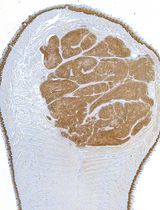
Mouse Intratongue Injection With Cancer Cells—An Orthotopic Model for Head and Neck Squamous Cell Carcinoma
Syngeneic and orthotopic injection of cancer cells in mice is a gold standard model in pre-clinical cancer research. Herein, we detail a protocol of orthotopic intratongue injection as a model for upper respiratory tract cancer studies. This model recapitulates tumor growth and invasion in an orthotopic site, the oral cavity mucosa. It can be experimentally designed in a syngeneic context or used to study patient-derived cells in immunocompromised animals. Procedurally, mice are anesthetized and injected with a small volume of cancer cell suspension near the lateral border of the tongue, right under the mucous membrane. Post-injection, animal welfare is carefully attended to by appropriate analgesia, while providing soft food for the duration of the experiment to ensure the ability of the mice to eat ad libitum. Tongues and potential metastatic organs are dissected and can be sampled and analyzed using relevant state-of-the-art methods, including -omics and imaging approaches. We describe a broad range of distinct tumor profiling and analysis methods applicable to this model. These include physical measurements of elasticity with atomic force microscopy on fresh tissue, hematoxylin-eosin staining and standard immunohistochemistry, and confocal microscopy applied to paraffin-embedded tongue sections. This model is orthotopic, accessible without surgery, easy to monitor, and rapid to perform.
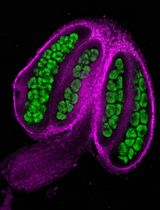
Anther Dissection and Confocal Imaging of Developing and Mature Pollen in Arabidopsis
Pollen development is a fundamental process underlying plant fertility that involves a series of coordinated cellular transitions from microspore mother cells (MMCs) to mature pollen grains. Conventional approaches for studying this process often require tissue sectioning, extensive sample preparation, and specialized instrumentation operated by trained personnel, making them labor-intensive, time-consuming, costly, and poorly suited for high-throughput analysis. Here, we describe simpler protocols for preparing and imaging both developing pollen lineage cells and mature pollen grains from Arabidopsis. By combining targeted anther dissection with gentle extrusion of pollen cells from anthers, fluorescent staining, and confocal microscopy, our protocol makes pollen cells at different developmental stages accessible for high-resolution imaging, enabling visualization of cellular morphology and protein localization, as well as fluorescence-based protein quantification. We also describe a complementary workflow for imaging mature pollen grains that provides a rapid alternative to scanning electron microscopy (SEM) for examining pollen surface structures and patterns. Together, these protocols offer practical approaches for investigating the cellular and molecular processes underlying pollen development and for characterizing the surface morphology of mature pollen.
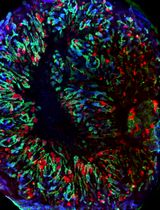
Human iPSC Line SCTi003-A Differentiation Into Kidney Organoids
Kidney organoids derived from human induced pluripotent stem cells (hiPSCs) have emerged as valuable tools for studying human kidney development, disease mechanisms, and therapeutic responses. However, widespread application of these models has been limited by variability in differentiation efficiency, organoid composition, reproducibility, and scalability across existing protocols. Robust and standardised methods are therefore needed to improve experimental consistency and facilitate wider adoption of kidney organoid systems in basic and translational research. Here, we describe an optimised and reproducible protocol for differentiating a commercially available hiPSC SCTi003-A line into kidney organoids (KiO). The protocol builds upon earlier kidney differentiation frameworks and involves directed induction of the posterior primitive streak, intermediate mesoderm specification, and subsequent three-dimensional organoid assembly. Through systematic optimisation of differentiation media, CHIR99021 concentration and timing, growth factor supplementation, and culture format, we established a standardised workflow that yields reproducible nephron and collecting duct structures. The protocol is compatible with air–liquid interface (ALI) culture and scalable suspension-based “mini-organoid” (mKiO) and monolayer culture formats that support high-content and high-throughput applications. This validated protocol provides a reliable and accessible platform for generating human KiO, addressing key limitations of reproducibility, scalability, and assay compatibility in existing approaches, and supporting future studies of kidney development, inherited kidney diseases, and preclinical drug testing.
A Batch-Processing Pipeline for RNA-seq Gene Abundance Estimation
RNA sequencing (RNA-seq) datasets provide valuable opportunities to investigate gene and transcript abundance across species, tissues, developmental stages, and experimental conditions. However, processing multiple datasets consistently remains challenging because sequencing runs may differ in library layout, read length, sequencing depth, metadata quality, and analytical settings. Existing RNA-seq workflows often depend on dedicated workflow managers, substantial computational infrastructure, or advanced bioinformatics expertise, which may limit their accessibility for routine analyses. We present a modular Bash- and Python-based batch-processing pipeline for estimating gene and isoform abundance and generating expression matrices from multiple RNA-seq runs. Using an SRA RunTable, a reference genome, and its corresponding gene annotation, the workflow automates reference preparation, sequencing-data retrieval, quality assessment, read preprocessing, alignment, abundance estimation, and post-processing. It produces gene-level TPM and FPKM matrices, individual gene- and isoform-level RSEM outputs, quality-control summaries, and integrated MultiQC reports. Configurable computational resources, sample-level status tracking, automatic download retries, selective reprocessing of failed samples, and controlled removal of intermediate files allow interrupted analyses to resume without repeating completed runs while reducing storage requirements. By combining batch processing, transparent configuration, and restartable execution in a lightweight workflow, this protocol provides an accessible approach for standardized RNA-seq abundance estimation.
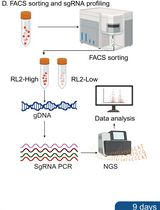
Suspension-Based Intracellular Immunofluorescence Staining Coupled With Genome-Wide CRISPR-Cas9 Screening to Identify Regulators of O-GlcNAcylation
Protein O-GlcNAcylation is a dynamic and reversible post-translational modification that regulates diverse cellular processes, including transcription, signal transduction, metabolism, and cell fate determination. Systematic identification of genes that modulate global O-GlcNAc levels remains technically challenging at the genome scale. Here, we describe a pooled CRISPR-Cas9 screening protocol that combines the human genome-scale CRISPR knockout (GeCKO) v2 knockout library with intracellular immunofluorescence staining using the anti-O-GlcNAc antibody RL2 and fluorescence-activated cell sorting (FACS). In this workflow, HEK293T cells are transduced with the GeCKO v2 lentiviral library at a low multiplicity of infection to ensure predominantly single-sgRNA integration. Following puromycin selection, cells are fixed, permeabilized, and stained in suspension with RL2. The top 5% of cells with the highest intracellular RL2 fluorescence are collected as the RL2-high population, while a corresponding unsorted/input sample is retained as the reference for downstream sgRNA enrichment analysis. Genomic DNA is recovered from the RL2-high and unsorted/input samples, and integrated sgRNA cassettes are amplified through a two-step PCR and library-preparation workflow for Illumina sequencing. This protocol enables the identification of candidate genes whose knockout is associated with increased intracellular RL2 fluorescence.
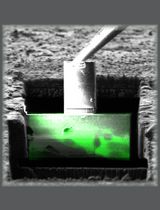
Preparation of Moss Tissue for Cryo-Electron Tomography by High-Pressure Freezing, Focused Ion Beam Milling, and Lift-Out

Cryo-electron tomography (cryo-ET) is a powerful imaging technique that allows visualizing the molecular landscape within cells. In contrast to traditional preparations for electron microscopy deploying chemical fixation and contrasting agents, cryo-ET directly images cryo-fixed, i.e., vitrified samples, providing a faithful and near-native representation of cellular ultrastructure and its macromolecular constituents. While cryo-ET in combination with thinning by focused ion beam (FIB) milling is well established for single small or thin cells that can be vitrified by plunge freezing, its application to tissues is still challenging in terms of vitrification and thinning strategies. Intact plant tissues are particularly difficult, due to their relatively large cell size and the presence of vacuoles, which often occupy a large fraction of cells and usually do not vitrify. Here, we describe two methods for vitrification of the filamentous tissue (protonemata) of moss (Physcomitrium patens) by two high-pressure freezing (HPF) approaches. We also describe in detail how to prepare thin sections (lamellae) suitable for cryo-ET data acquisition by either on-grid FIB milling or lift-out with three different attachment methods that can be applied depending on skill and experimental setup of users. For the preparation of lift-out lamellae, we introduce an additional trimming step that can help to improve lamella quality. We illustrate how subcellular structures can be targeted by aiming for cell junctions using cryo-fluorescence light microscopy. The different preparation procedures can be used for samples of different sizes and other multicellular systems.
Key features
• This protocol builds on serial lift-out [1] but was adapted for moss and can be applied to other species and tissues, as described in [2].
• We describe two high-pressure freezing approaches for different specimen sizes and procedures for sample screening and targeted lamella preparation aided by cryo-fluorescence light microscopy.
• We describe on-grid lamella preparation and three lift-out approaches with a novel, more robust attachment mode.
• By applying an additional trimming step for lift-out sections, this protocol was optimized for lamella quality rather than quantity.
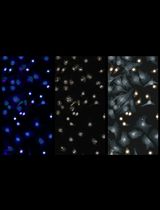
A Python-Based Workflow for Image-Based Single-Cell Phenotypic Profiling From Fluorescence Microscopy Images
While advances in omics technologies have greatly improved our understanding of cellular heterogeneity, there is an increasing need for complementary approaches that capture the spatial organization and structural dynamics of cells. Image-based single-cell phenotypic profiling provides quantitative information on cell morphology and organelle organization, offering valuable insights into cellular function and regulation. Although numerous image analysis tools are available, establishing a complete analysis workflow, from image preprocessing and segmentation to feature extraction and multivariate analysis, often requires substantial computational expertise and software integration. Here, we describe a Python-based workflow for image-based single-cell phenotypic profiling from immunofluorescence microscopy images and provide a detailed protocol for its implementation. Using synchronized HeLa cells with drug-induced mitotic spindle defects as an example, the workflow covers image loading, cell segmentation, quantitative feature extraction, profile integration, dimensionality reduction, clustering, and data visualization. The protocol is accompanied by example datasets, annotated Jupyter Notebooks, and instructions for execution in either a local Python environment or Google Colab, facilitating straightforward implementation and customization. By integrating the entire analysis pipeline within a single coding environment, this workflow enables reproducible and accessible single-cell morphological profiling without requiring specialized imaging equipment or extensive programming expertise. The workflow therefore provides a practical platform for studying cell morphology, organelle organization, and cellular dynamics across a broad range of biological applications.
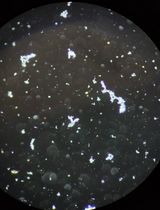
PCR-Guided Isolation of Leptospira Strains From Refrigerated Serum Samples for Serogroup and Genomic Characterization
Leptospirosis is a widespread zoonotic disease caused by pathogenic bacteria of the genus Leptospira. The isolation and comprehensive characterization of circulating strains within a region are essential for understanding the local epidemiology and improving public health surveillance. Historically, whole blood has been the specimen of choice for isolation; however, its efficiency can be limited by the presence of inhibitory substances in the sample, and Leptospira viability may depend on rapid processing and inoculation. Here, we present an in-house culture protocol for the isolation of Leptospira from serum samples previously maintained under refrigeration (i.e., 4–8 °C) for up to 10 days. The protocol employs a real-time PCR-guided strategy by first screening specimens for the lipL32 gene. Positive samples are then inoculated into specialized EMJH media supplemented with AFAS and EMJH+AFAS supplemented with STAFF antibiotic cocktail, followed by incubation at 30 °C for up to six months. Growth is monitored weekly through visual inspection and, once turbid, the presence of Leptospira is determined via dark-field microscopy prior to downstream serogroup and genomic characterization. A significant advantage of this method is the successful recovery of viable Leptospira from non-fresh serum specimens stored under refrigeration, even in samples with low bacterial loads. Additionally, the protocol facilitates broader surveillance by repurposing serum samples already collected for routine serology, increasing the probability of identifying diverse strains without further clinical collection
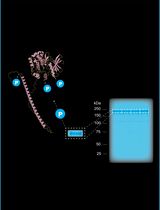
In-Gel Tryptic Digestion and HCD/EThcD LC-MS/MS for Mapping Autophosphorylation Sites
This protocol describes a targeted workflow for identifying and quantitatively comparing kinase autophosphorylation sites, using in-gel proteolytic digestion, LC-MS/MS analysis, phosphosite localisation, and extracted ion chromatogram (XIC) analysis. The detailed protocol begins with an excised SDS-PAGE gel band containing the immunoprecipitated kinase of interest. Standard cell culture, expression, immunoprecipitation, and SDS-PAGE procedures can be used to generate this starting material according to the experimental system under investigation; the specific conditions used for NEK1 are described in our associated research article. Here, the protocol is applied to characterise phosphorylation sites on NEK1—a serine/threonine kinase implicated in amyotrophic lateral sclerosis (ALS)—using a homozygous NEK1 knockout cell background in which GFP-tagged wild-type or kinase-dead NEK1 constructs are re-expressed. This experimental system enables accurate assessment of kinase-dependent phosphorylation events in the absence of endogenous NEK1. A key methodological feature of the workflow is the use of two parallel MS2 fragmentation strategies: higher energy collisional dissociation (HCD) and electron-transfer/HCD (EThcD). EThcD generates complementary b/y and c/z ion series, providing superior localisation confidence for labile phosphorylation events that are difficult to resolve using HCD alone. Relative phosphopeptide abundance across conditions can be assessed using extracted ion chromatograms generated in FreeStyle, or using Skyline software with normalisation to the total ion current (TIC), as performed in the associated NEK1 study. Although demonstrated here using NEK1, the protocol is readily adaptable to other kinases amenable to immunoprecipitation and will be of interest to researchers studying kinase signalling, post-translational modification biology, and disease-associated phosphorylation events.
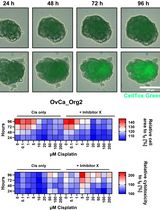
Semi-Automated Multiplex Workflow for Functional In Vitro Testing of Chemotherapeutic Treatments in Primary, Patient-Derived Cancer Organoids
Most existing preclinical models have been limited in their predictive value to mimic patients’ responses, which is a major drawback in drug development and the identification of predictive biomarkers. To overcome these limitations, patient-derived three-dimensional in vitro models have been proposed. One of them is the organoid model, which preserves the original cellular heterogeneity and recapitulates epithelial architecture and functionality. Recently, studies using patient-derived organoids for drug screening applications have increased in quantity, and organoids have already been applied to pancreatic, colon, and lung cancers and female gynecological malignancies. Here, we established a multiplex workflow to analyze longitudinal therapeutic effects of anti-cancer therapeutics on organoid growth, viability, and cytotoxicity by combining state-of-the-art viability measurement with automated live cell imaging. This workflow can be used for the prediction of patient-specific treatment response, high-throughput screening of potential anticancer drugs, and downstream analysis to identify novel therapeutic targets.

Protocol Collections
Comprehensive collections of detailed, peer-reviewed protocols focusing on specific topics