


- Protocols

- Articles and Issues
- For Authors
- About
- Become a Reviewer


Acute Contact and Oral Testing of Chemical Compounds on Vespa velutina nigrithorax (Hymenoptera, Vespidae) Under Laboratory Conditions


Published: Vol 16, Iss 13, Jul 5, 2026 DOI: 10.21769/BioProtoc.5731 Views: 238
Reviewed by: Shruthi BalachandraAnonymous reviewer(s)
 PDF
PDF  Ask a question
Original research article
The authors used this protocol in:

Dec 2025
Advertisement


Protocol Collections
Comprehensive collections of detailed, peer-reviewed protocols focusing on specific topics



Abstract
Standardized laboratory assays are essential for generating reproducible and comparable data in toxicology. Although acute contact and oral toxicity tests are widely applied in pesticide risk assessment, these approaches have rarely been adapted for social vespids. Vespa velutina nigrithorax, an invasive hornet in Europe and East Asia, is commonly managed through chemical control, yet treatment efficacy may vary depending on the route of exposure and other biological factors. This protocol describes a standardized method to assess acute contact and oral toxicity of chemical compounds in adult V. v. nigrithorax workers under controlled laboratory conditions. Hornets are collected in the field, individually housed, and exposed either to topical applications on the thorax or to spiked food sources. Mortality is monitored over 48–96 h and analyzed using appropriate statistical approaches to estimate lethal endpoints. This protocol enables comparison among compounds and exposure routes and provides a practical framework for toxicity screening in hornets.
Key features
• Builds upon the ecotoxicological methodology developed by Souto et al. [1,2].
• Describes a standardized laboratory acute toxicity test for Vespa velutina nigrithorax, adaptable to other Vespa social and predatory species.
• Includes field collection, laboratory maintenance, and acute toxicity assays for oral and contact exposure with behavioral and mortality endpoints.
• Compatible with Organization for Economic Co-operation and Development (OECD) ecotoxicological frameworks, enabling reproducible dose–response analyses and comparisons with other insect toxicity studies.
Keywords: Compounds exposure Ecotoxicological tests
Hornet
Insecticide
Toxic effects
Wasp
Ecotoxicological tests
Hornet
Insecticide
Toxic effects
Wasp
Graphical overview
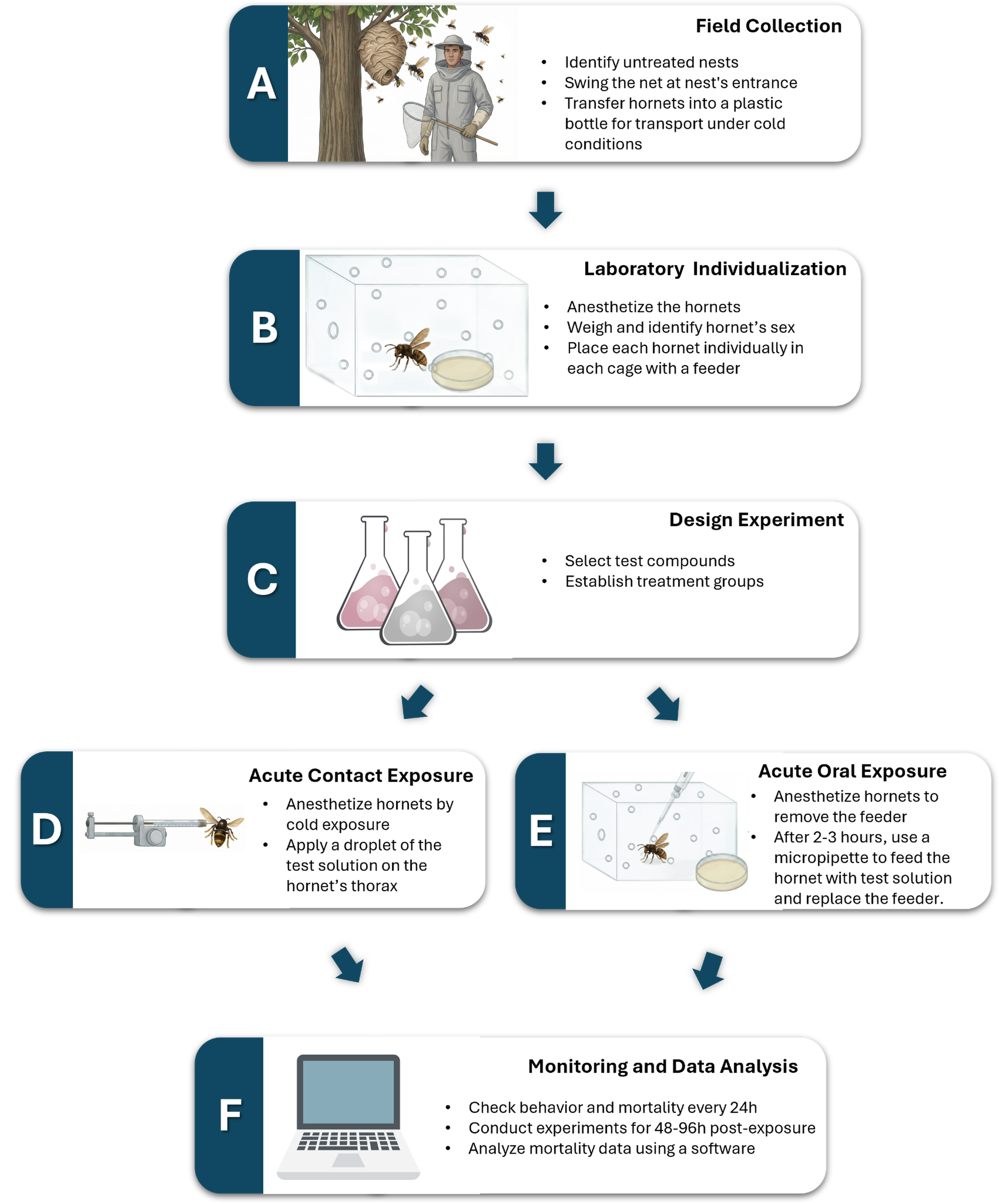
Workflow for the acute contact and oral exposure of chemical compounds in hornets. Overview of procedures for individual collection and acute ecotoxicological tests. (A) Detect and identify untreated nests and collect hornets. (B) Weigh and identify hornets’ sex before individualizing each one. (C) Establish treatment groups. (D, E) Acute exposure methods. (F) Monitoring mortality and behavior every 24 h for 48–96 h and data analysis.
Background
The evaluation of toxicity in organisms under laboratory conditions ensures consistent measurement endpoints, thereby improving comparability across studies [3–5]. Standardized acute contact and oral toxicity tests have been widely used in pesticide risk assessment, revealing significant interspecies susceptibility variation [5–9]. However, such frameworks have rarely been adapted for social vespids.
Vespa velutina nigrithorax (yellow-legged hornet) is a hornet that was accidentally introduced to Europe, Japan, South Korea, the United States of America, and, recently, New Zealand [10–14]. Its establishment has raised ecological and economic concerns due to its predation on pollinators, particularly honeybees, prompting the implementation of various management and control strategies [15,16]. Furthermore, other hornet species, such as Vespa soror, Vespa orientalis, and Vespa crabro, are expanding their ranges and may become invasive outside their native distributions. These species may exert similar impacts to those of the yellow-legged hornet, highlighting the importance of establishing effective control methods [17–19].
Current control approaches mainly rely on traps and physical or chemical nest elimination. Physical methods include nest removal or destruction, while chemical methods typically involve the direct injection of pesticides into the nests [20,21]. Chemical control is commonly applied; however, its effectiveness can vary depending on pesticide formulation, route of exposure, nest size, season, and other ecological and biological factors, such as age, stage, and body mass [1,2,4,21].
Standardized laboratory protocols are therefore essential to evaluate the toxicity of candidate compounds under controlled and reproducible conditions. This protocol provides a framework for acute oral and contact toxicity testing of adult hornets under laboratory conditions, based on Organization for Economic Co-operation and Development (OECD) guidelines and previously published methodologies [1,2,7]. Characterizing individual-level exposure enables the prediction of worker mortality, behavioral avoidance, and sublethal effects that drive colony collapse, facilitating comparative toxicity assessments with non-target organisms and remaining effective against hornets [1,2,22]. This protocol provides a detailed description of each experimental step, facilitating reproducibility and enabling its adaptation to other Vespa species. However, the protocol focuses on acute toxicity in adult hornets and is not currently adapted for chronic oral exposure assays or toxicity testing in larval stages.
Materials and reagents
Biological materials
1. Adult Vespa velutina nigrithorax workers (field-collected; Coimbra, Portugal)
Reagents
1. Distilled water (Elix® Essential Water Purification System, catalog number: ZLXE0030WW)
2. Biological agar-agar (Agar-agar Bio) (e.g., PRÓVIDA, catalog number: 401017B)
3. Multifloral honey (e.g., Lousamel, 1672 L1/25)
4. Test compounds (insecticides, e.g., Cythrin 10EC®, Arysta LifeScience Benelux Sprl.)
5. Surfactant (e.g., Triton X-100) (Sigma-Aldrich, CAS number: 9002-93-1)
6. Sugar (local store)
Solutions
1. Agar-honey (feed) (see Recipes)
2. Pesticide test solution (see Recipes)
Recipes
1. Agar-honey (feed)
| Reagent | Final concentration | Quantity or volume |
|---|---|---|
| Biological agar-agar | 7 g/L | 7 g |
| Honey | 500 g/L (50% w/v) | 500 g |
| Distilled water | - | 1 L |
a. Heat 1 L of distilled water.
b. Add 7 g of biological agar-agar and stir until completely dissolved.
c. When the solution reaches 91 °C, add 500 g of honey.
d. Stir continuously until the honey is fully dissolved and the mixture is homogeneous.
e. Dispense the mixture into 35 mm Petri dishes (~9–10 mL per dish).
f. Allow the feed to solidify at room temperature for ~20 min.
g. Store the prepared feeders at 4 °C for up to 7 days.
Caution: Ensure that the honey–agar mixture has completely solidified. If it has not solidified, discard the preparation and repeat the procedure, increasing the amount of agar if necessary.
Note: The quantities described in this recipe are sufficient for the preparation of 100 feeders.
2. Test solutions
| Reagent | Final concentration | Quantity or volume |
|---|---|---|
Test compound (insecticide or others) e.g., Cythrin 10EC (cypermethrin) | According to treatment; see Table 1 | According to treatment |
| Triton X-100 (for contact exposure) | 0.1% (v/v) | 100 μL/100 mL |
| Distilled water | - | up to final volume |
| Sucrose (for oral exposure) | 50% (w/v) | 500 g/L |
a. Prepare a Triton–water solution (contact exposure) or sugar–water solution (oral exposure).
b. Dissolve the test compound at the desired concentrations in Triton–water/sugar–water solution.
Note: This procedure can be adapted depending on study objectives and the test compounds (e.g., antibiotics, metals, etc.), if they are soluble in water or an organic solvent. For insecticides, the desired concentration can be selected based on LD50 values reported for other species (e.g., honeybees, wasps, hornets) and in the pesticide properties database (Table 1) [23]. In such cases, comparisons across species may be necessary to minimize impacts on non-target organisms. The dosages should be refined after preliminary tests (Table 2).
Example of test compound dosage selection for oral exposure [1,2]:
Table 1. Insecticide information and ecotoxicity data. a.i., active ingredient; LD50, lethal dose for 50% of the tested population; DT50, half-life of the substance.
| Parameter | Oral | Contact | |
| Commercial formulation | Cythrin 10EC | Cythrin 10EC | |
| Active ingredient | Cypermethrin | Cypermethrin | |
| Concentration | 100 g a.i./L; 10.9% (w/w) | 100 g a.i./L; 10.9% (w/w) | |
| Acute LD50 | Honeybees | 0.172 μg a.i. μg/bee | 0.023 μg a.i./bee |
| Mammals | 287 mg a.i./kg | >2,000 mg a.i./kg | |
| DT50 | Soil (lab at 20 °C) | 117.7 days | 117.7 days |
Table 2. Example of cypermethrin final concentrations for oral and contact exposure of yellow-legged hornet [1,2]. CTL, control.
| Concentration | Oral exposure | Contact exposure |
|---|---|---|
| CTL | 0 mg a.i./mL | 0 mg a.i./mL |
| C1 | 0.1850 mg a.i./mL | 1.000 mg a.i/mL |
| C2 | 0.2590 mg a.i./mL | 1.500 mg a.i/mL |
| C3 | 0.3626 mg a.i./mL | 2.250 mg a.i/mL |
| C4 | 0.5076 mg a.i./mL | 3.350 mg a.i/mL |
| C5 | 0.7106 mg a.i./mL | 5.000 mg a.i/mL |
| C6 | 0.9949 mg a.i./mL | - |
| C7 | 1.3929 mg a.i./mL | - |
| C8 | 1.9500 mg a.i./mL | - |
c. Mix gently until completely homogeneous.
d. Store the prepared solution at 4 °C until exposure.
Note: Triton–water solution and sugar–water solution are used for controls of contact and oral exposure, respectively, and are discarded 48 h after preparation.
Laboratory supplies
1. Plastic collection containers (1.5 L bottles with inverted funnel)
2. Transparent plastic cages (L 14.5 × D 10.5 × H 5.5, ~800 cm3) with ventilation holes (2 mm diameter) (5five, ref: 135007 boiter rect pp)
3. Plastic Petri dishes (35 mm diameter) (Sigma-Aldrich, catalog number: CLS430588)
4. Biological cotton balls (local store)
5. Tweezers (Labbox, catalog number: FORS-007-002)
6. Micropipette tips (any)
Equipment
1. Full protective suits, gloves, boots, and face protection mask (XORSA workwear, model: 1510)
2. Sweep net (Entomopraxis, model: F400B)
3. Cool boxes
4. Freezer (-20 °C) or carbon dioxide (CO2) spray system (GoZero Philips, model: ADD4902BK/10; maximum working pressure: 116 psi/~8 bar)
5. Analytical balance (±1 mg precision) (Kern, model: TADB 200-4-B)
6. Incubator with forced air circulation (Leec, model: SFC3C)
7. Hamilton syringe with repeating dispenser or repetitive pipette (Sigma-Aldrich, Hamilton® GASTIGHT® 1700 series syringe, catalog number: S9266; Sigma-Aldrich, Repeating Dispenser, catalog number: 20943)
8. Micropipettes (100 μL; 200 μL; 1,000 μL)
Software and datasets
1. Microsoft Excel Spreadsheet Software®
2. R (R Core Team, 2025) and RStudio (Posit Team, 2025)
Procedure
A. Field collection of hornets
1. Locate untreated nests by contacting local authorities responsible for eliminating active secondary nests. These nests must have a diameter higher than 40 cm and be located lower than 5 m above ground.
Notes:
1. V. v. nigrithorax secondary nests can be identified by their paper appearance (light brownish) and lateral entrance [21]. Adult hornets are usually surrounding the nest and are characterized by their black head with an orange-brown face and mandibles, a black thorax, an abdomen with orange-yellow tips, and black legs with yellow extremities [18].
2. If other hornet species are to be used, the nest must be correctly identified.
2. Avoid collection during rainy or highly humid conditions and near areas of human activity.
Caution: If hornets arrive at the laboratory wet from field collection, they may freeze rapidly during the anesthetization step (B1) or become unhealthy for the subsequent experiment.
3. Wear full protective equipment before approaching the nest.
4. Disturb the nest gently using a poking device and collect exiting hornets with a sweep net in front of the nest’s entrance.
5. Swing the net in the open air without striking surfaces to avoid injuring hornets.
6. Transfer hornets into a plastic bottle (container) fitted with an inverted funnel and seal with a pressed cotton ball (Figure 1). Label the container correctly with the origin of the hornets.
7. Place the containers in dark, cool boxes for transport to minimize stress and mortality.
Caution: To prevent hornets from becoming wet, avoid moisture exposure at all stages. If condensation forms, make a small ventilation hole (<2 mm) and rapidly separate individuals under laboratory conditions.
Note: Hornets should not remain in the containers for more than 3 h. This time should be reduced if moisture begins to appear.
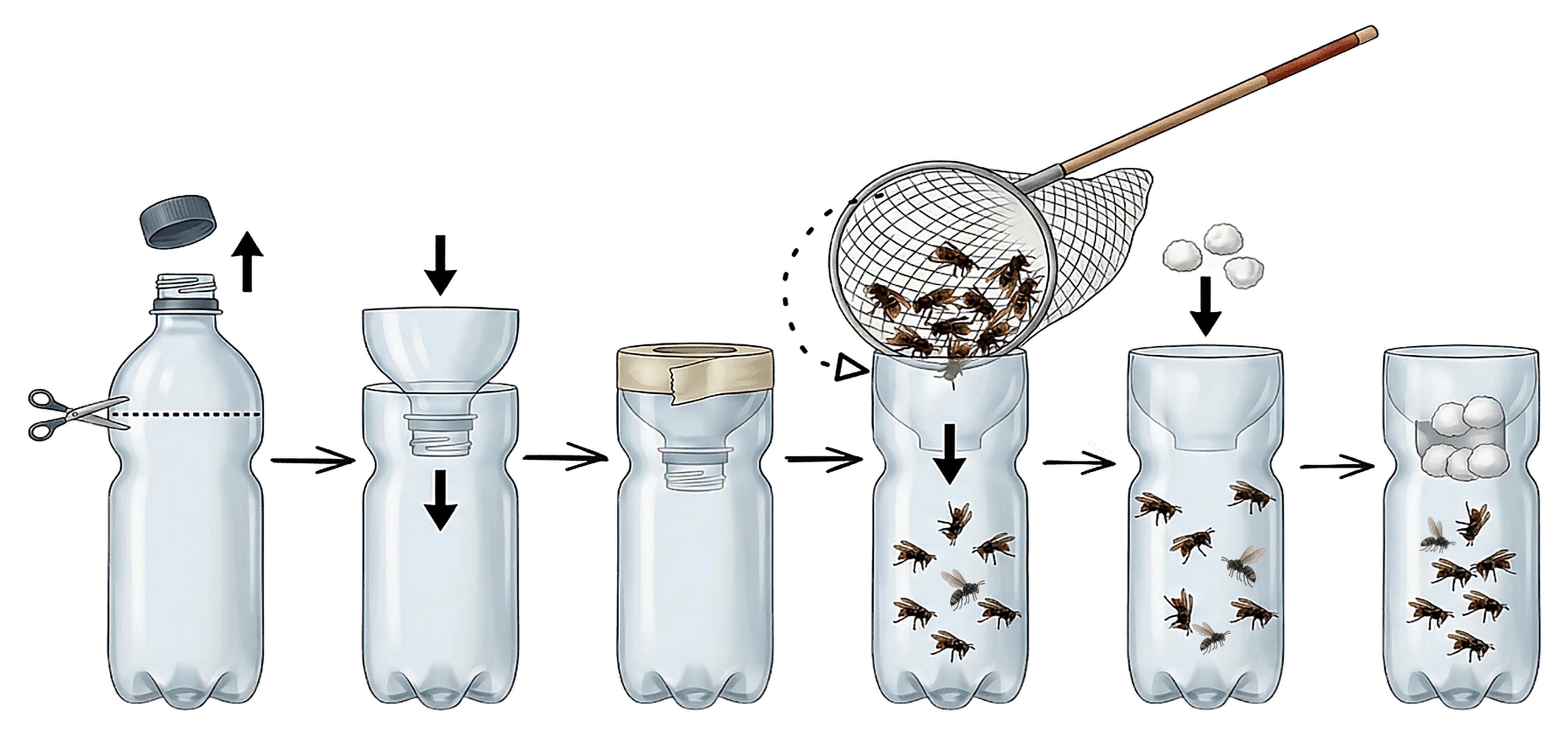
Figure 1. Preparation of plastic bottle containers for hornet transport. Each container must contain 20–30 hornets.
B. Laboratory individualization
1. Place one bottle container at a time in a freezer at -20 °C or expose it to CO2 for anesthesia.
Note: Perform preliminary tests to determine the minimum exposure time required to anesthetize the hornets, starting at 5 min when using cold or 5 s when using the CO2 system (Figure 2). These values can be adapted if other Vespa species are used.
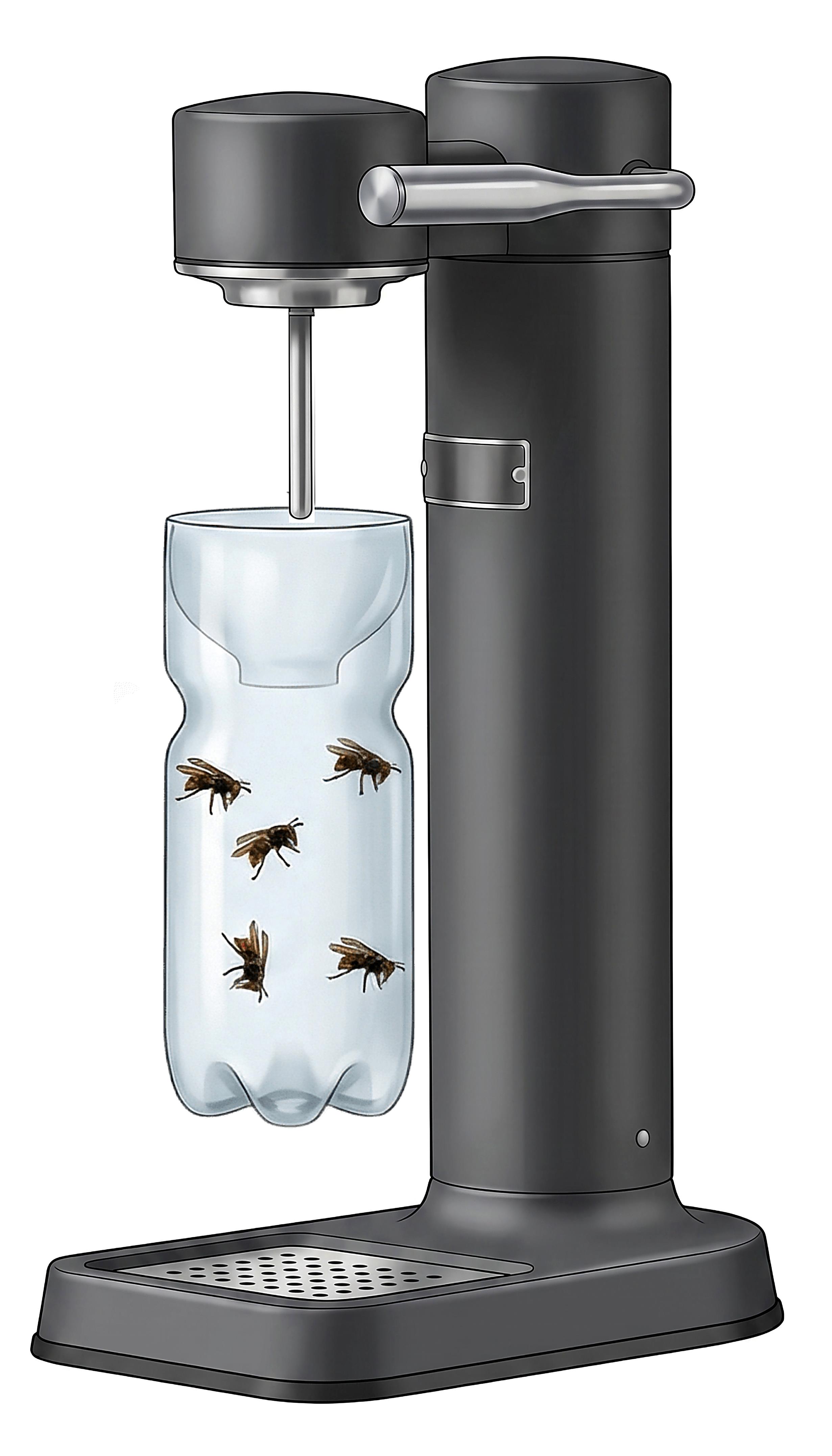
Figure 2. Example of a CO2 system applied to the containers
2. Remove the hornets from the container and determine their sex. Select only female individuals, as they represent the primary caste and provide results that are more representative of field conditions. Handle the hornets using tweezers, holding them carefully by the wing so as not to injure them.
Caution: Remove only a few hornets from the container at a time, ensuring that they remain anesthetized.
Note: Males possess longer antennae compared to females and lack a sting (Figure 3) [24].
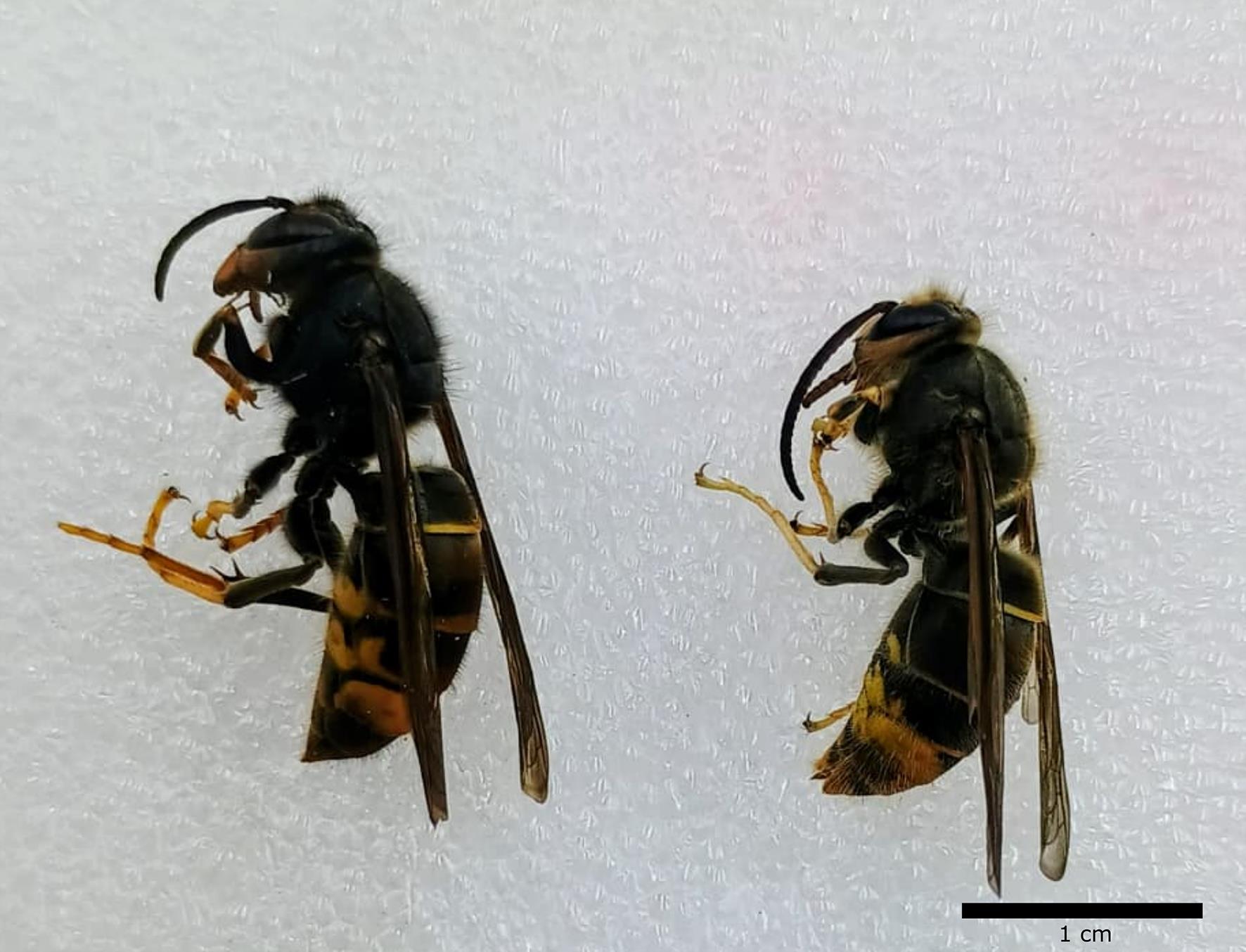
Figure 3. Female (left) and Male (right) Vespa velutina nigrithorax
3. Weigh each hornet and retain individuals weighing between 300 and 500 mg (workers) [25].
Note: Female workers weigh between 300 and 500 mg, whereas gynes and queens weigh more than 500 mg [25]. These values should be adapted if other Vespa species are used.
4. Place each hornet individually into a labeled, transparent plastic cage with ventilation holes distributed throughout the cage, including the lid (Figure 4).
Note: Hornets should be housed individually, as they are predatory and may fight and kill one another if kept together. Cages must be labeled with the nest number (to indicate origin), as well as the treatment concentration and replicate number.
5. Provide each cage with one feeder containing agar–honey diet (see Recipes) (Figure 4).
Note: Replacement of the feeder is not necessary throughout the duration of the experiment unless the hornet consumes the entire agar–honey portion. In that case, the feeder should be carefully inserted to avoid anesthetizing the hornet again.
6. Verify that all hornets have recovered; if not, replace them with new individuals.
Note: Save extra hornets for the following day in case some hornets are lost due to handling (e.g., cold exposure).
Caution: This replacement procedure should only be carried out before exposure. After exposure, any remaining hornets may be discarded.
7. Maintain cages at 25 ± 2 °C, with 60% ± 20% relative humidity, in darkness with forced air circulation, overnight. Exposure should be conducted the following day.
8. The remaining hornets must be eliminated by cold exposure.
9. To ensure you have only healthy hornets for the experiment, individuals showing signs of abnormal behavior (affected or moribund) should be discarded and replaced by healthy individuals that were saved on the previous day (extra hornets, step B6).
a. Affected: Hornets show signs of reduced coordination; contracted abdomen or entire body. Sometimes, affected individuals can recover.
b. Moribund: Hornets cannot walk, may lie on their backs, and/or show only very feeble movements of the legs and antennae. This usually leads to the death of the individual.
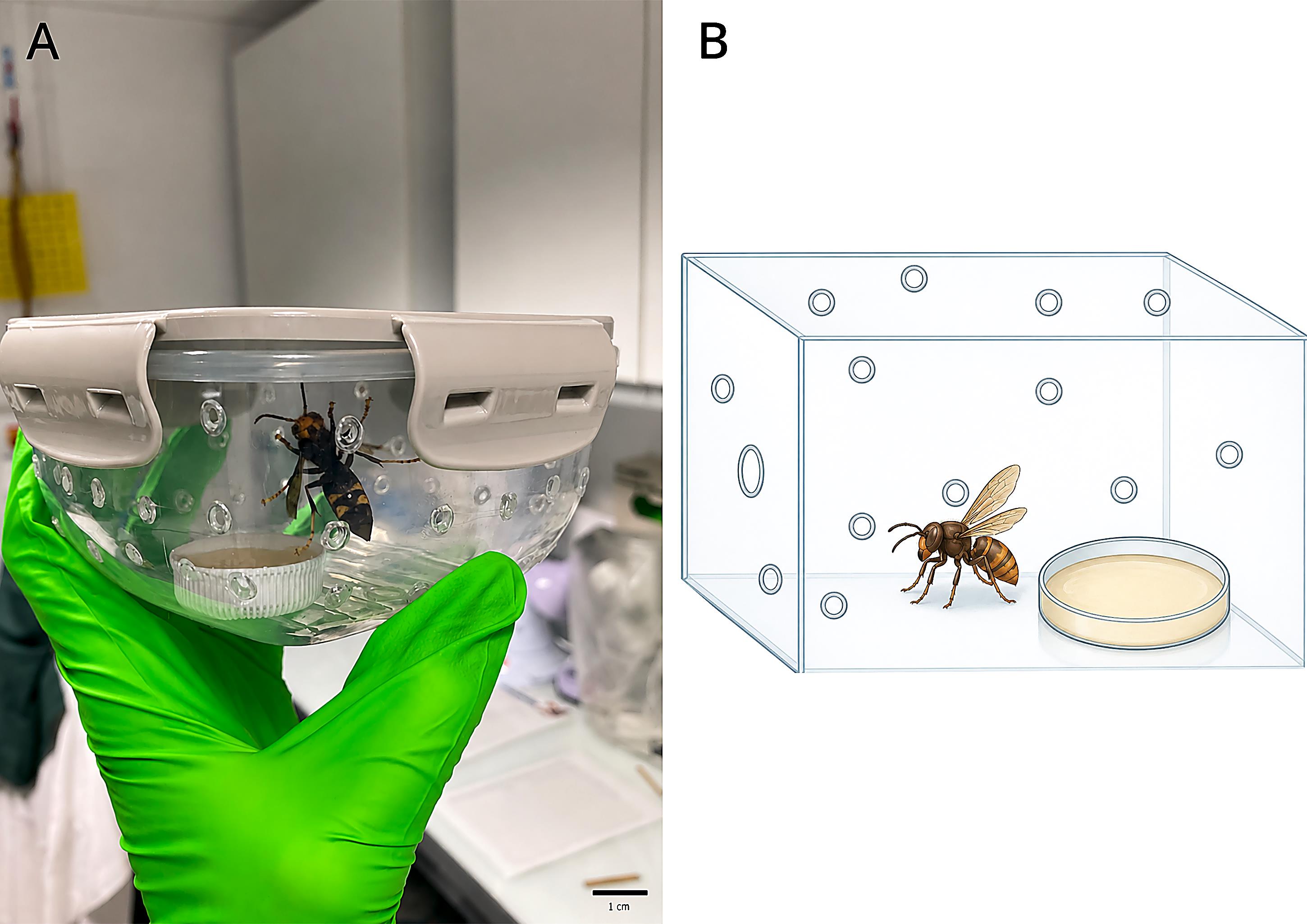
Figure 4. Transparent plastic cage (800 cm3) with 2 mm holes distributed throughout the cage and agar-honey feeder. (A) Photograph. (B) Schematic representation.
C. Acute contact exposure
1. Define experimental treatments:
a. Control: Water with surfactant (e.g., Triton X) solution.
b. Product treatments: The selected test compound diluted with surfactant (e.g., Cythrin 10EC diluted in Triton X), tested at a minimum of five doses/concentrations.
c. Use at least 10 hornets per replicate.
2. Anesthetize hornets as described above (step B1).
Note: If cold is used, exposure times should be adapted during the experiment, as the freezer temperature may increase depending on how many times the freezer is opened. If the CO2 system is selected, see Figure 5.
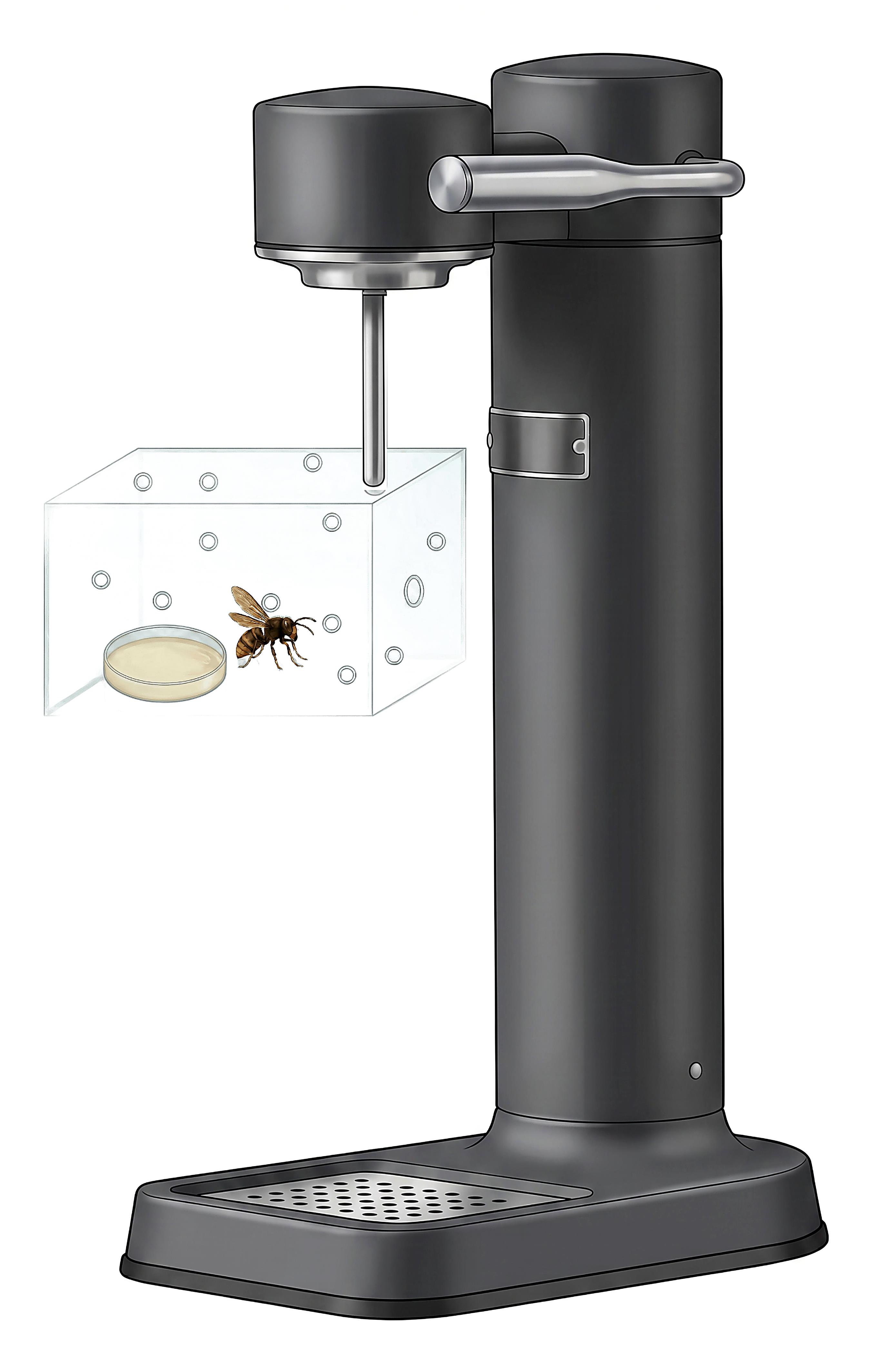
Figure 5. Example of the CO2 system applied to cages
3. Using a Hamilton syringe (or a repetitive pipette), gently apply a 2 μL droplet of control or test solution on the thorax of each hornet (Figure 6 and Video 1), as a topical treatment [2].
Critical: In instances where multiple pesticides are employed within a single experiment, it is imperative to exercise caution and refrain from utilizing the same syringe for both pesticides. If the same syringe is used, it must be meticulously cleaned between applications.
4. Close cages immediately after treatment.
5. Cages should be maintained in the same conditions as described above (step B7).
6. Repeat the procedure with at least five different nests to ensure true replicates.
7. For the test to be considered valid, control mortality must not exceed 20%.
8. The test should be conducted for a minimum of 48 h and may be extended up to 96 h post-exposure, if control mortality does not exceed the predefined validity threshold, and if mortality in the treatment groups continues to increase at each 24-h observation interval.
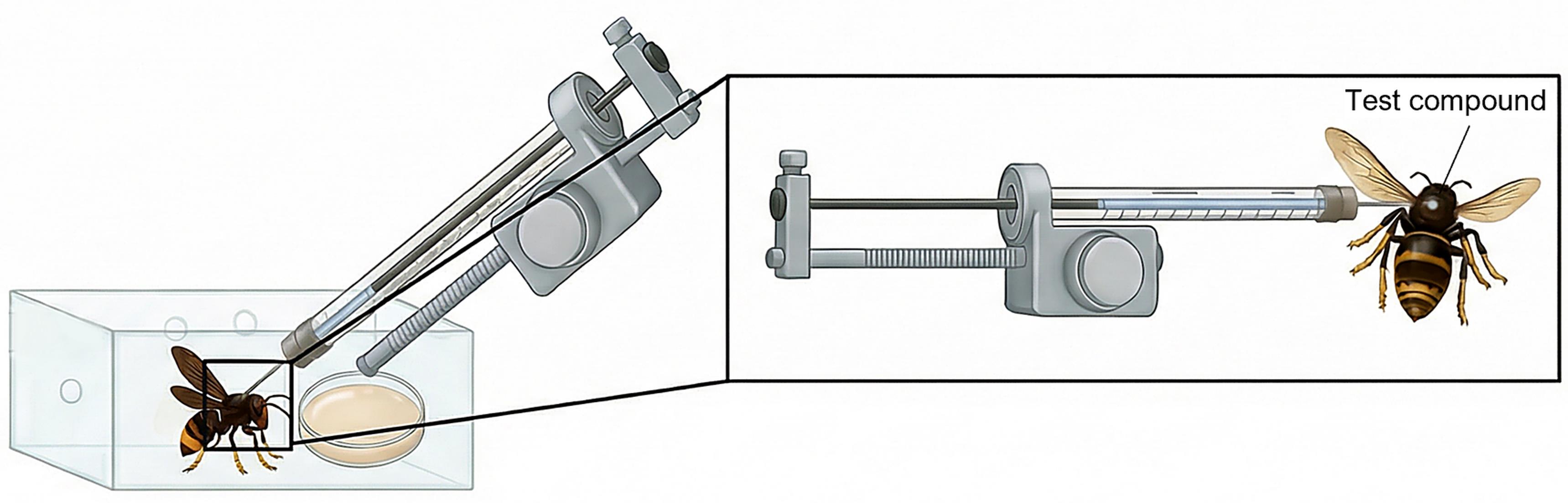
Figure 6. Schematic representation of the topical application procedure. A Hamilton syringe is used to deliver a defined droplet of test solution onto the thorax, ensuring precise dosing and reproducible contact exposure under controlled laboratory conditions.

D. Acute oral exposure
1. Define experimental treatments:
a. Control: Water with sugar solution.
b. Product treatments: The selected test compound diluted with water-sugar solution (e.g., Cythrin 10EC diluted in water-sugar), tested at a minimum of five doses/concentrations.
c. Use at least 10 hornets per replicate.
2. Only healthy hornets that have not been previously exposed to any treatment should be used.
3. The cage must have a small entrance for exposure (Figure 7 and Video 2) [1].
4. Anesthetize hornets for safe handling during feeder removal as described above (step B1).
Note: If cold is used, exposure times should be adapted during the experiment, as the freezer temperature may increase depending on how many times the freezer is opened. If CO2 is used, see Figure 5.
5. Remove feeders from all cages 1–3 h prior to exposure to ensure a standardized starvation period (Figure 7). Ensure that all food residues are removed from containers; if any remain, clean the surfaces thoroughly with paper towels.
6. After fasting, open the abovementioned entrance (step D3) and feed each hornet with 20 μL of test solution directly using a micropipette (Figure 7) until complete consumption.
Note: Wait patiently for a few seconds until the hornet approaches the micropipette. If necessary, carefully squeeze out a small amount of liquid without letting the drop fall to ensure the hornet eats all the food. In some cases, it may be easier to use the existing holes in the box and insert the tip of the micropipette to expose the hornet.
7. Return feeders immediately after exposure without further anesthesia.
Caution: Open the cage lid only as much as necessary to insert the feeder, ensuring that the hornet does not escape and that the feeder is correctly oriented.
8. Cages should be maintained in the same conditions as described above (step B7).
9. Repeat the procedure with at least five different nests to ensure true replicates.
10. For the test to be considered valid, control mortality must not exceed 20%.
11. The test should be conducted for a minimum of 48 h and may be extended up to 96 h post-exposure, if control mortality does not exceed the predefined validity threshold, and if mortality in the treatment groups continues to increase at each 24-h observation interval.

Figure 7. Schematic illustration of the oral exposure procedure. The feeder is removed to allow the hornets to starve for 3 h. The test solution is then administered using a micropipette by opening a small entrance (green lid), followed by replacement of the feeder in the cage.
Data analysis
Data collection
Mortality and behavior [affected (A), apathy (Ap), hyperactive (H), moribund (M), locomotor difficulties (L)] are monitored and registered 4, 24, 48, 72, and 96 h after exposure, as follows:
Affected (A): Hornets show signs of reduced coordination; contracted abdomen or entire body. Sometimes, affected individuals can recover.
Apathy (Ap): Individuals show minimal or delayed responses to stimulation and spend extended periods immobile.
Hyperactivity (H): Individuals display markedly increased activity levels compared with control hornets.
Moribund (M): Hornets cannot walk, may lie on their backs, and/or show only very feeble movements of the legs and antennae. This usually leads to the death of the individual.
Locomotor difficulties (L): Mobility is clearly compromised, with evident difficulty walking and maintaining balance.
For manual laboratory data recording, an Excel spreadsheet should be prepared, using Table 3 as an example.
Table 3. Example of laboratory mortality and behavior registration for oral exposure. CTL, Control; C.1.2.10, C (insecticide, Cythrin), 1 (number of the nest), 2 (dosage), 10 (repetition); A, affected; Ap, apathy; H, hyperactive; L, locomotor difficulties; M, moribund; D, died.
| Sample code | 4 h | 24 h | 48 h | 72 h | 96 h | |||||||||||||||||||||||||
| Mortality and behavior | A | Ap | H | M | L | D | A | Ap | H | M | L | D | A | Ap | H | M | L | D | A | Ap | H | M | L | D | A | Ap | H | M | L | D |
| CTL1 | ||||||||||||||||||||||||||||||
| … CTL10 | ||||||||||||||||||||||||||||||
| C.1.1.1 | X | X | X | |||||||||||||||||||||||||||
| C.1.1.2 | X | X | X | |||||||||||||||||||||||||||
| …C.1.1.10 | ||||||||||||||||||||||||||||||
| C.1.2.1 | X | X | X | X | X | |||||||||||||||||||||||||
| C.1.2.2 | X | X | X | X | X | |||||||||||||||||||||||||
| …C.1.2.10 | ||||||||||||||||||||||||||||||
| …C.1.8.10 | ||||||||||||||||||||||||||||||
Interpretation
Data in Table 3 can be interpreted in the following way:
As the controls were alive until the end of the experiment, the test was valid. The sample C.1.1.1 was affected by the insecticide at 4, 24, and 48 h after exposure, but showed no further adverse effects at later time points, suggesting recovery before the end of the experiment. C.1.1.2. became affected 4 h post-exposure (observed at 24 h) and progressed to a moribund state at 48 h, dying at 72 h. The replicate 1 from dose 2 (C.1.2.1) was consistently affected from 4 h through 72 h after exposure and eventually died at 96 h, indicating a delayed lethal effect following prolonged impairment. The second replicate from the same dose (C.1.2.2) was affected at 4 h, showed locomotor difficulties at 24 h, and exhibited apathy from 48 to 96 h, suggesting a progression of sublethal behavioral effects without recorded mortality during the observation period.
Analysis
Analyze mortality data using appropriate dose–response models and software (e.g., PriProbit, R Software, etc.) to obtain lethal endpoints. The dataset must be adjusted depending on the selected software (Table 4).
Table 4. Example of final mortality table for R software for oral exposure. CTL, control; N0, number of individuals; M24, mortality at 24 h; M48, mortality at 48 h; M72, mortality at 72 h; M96, mortality at 96 h [1].
| Concentrations (mg a.i./mL) | Treatment | N0 | M24 | M48 | M72 | M96 |
| 0 | CTL | 50 | 1 | 2 | 4 | 7 |
| 0.1850 | C1 | 50 | 1 | 8 | 14 | 20 |
| 0.2590 | C2 | 50 | 2 | 9 | 12 | 23 |
| 0.3626 | C3 | 50 | 6 | 14 | 17 | 25 |
| 0.5076 | C4 | 50 | 18 | 25 | 26 | 31 |
| 0.7106 | C5 | 50 | 23 | 32 | 34 | 37 |
| 0.9949 | C6 | 50 | 41 | 45 | 48 | 48 |
| 1.3929 | C7 | 50 | 40 | 44 | 44 | 45 |
| 1.9500 | C8 | 50 | 46 | 49 | 49 | 49 |
For acute mortality data exhibiting a monotonic increase in response and approaching complete mortality at the highest doses, generalized linear models (GLMs) with a binomial distribution and probit (or logit) link are appropriate and provide robust and stable median lethal estimates. These models are particularly suitable when the number of tested doses is limited and when responses follow a typical sigmoidal pattern without irregular plateaus.
In contrast, when mortality responses are shallow, asymmetrical, and incomplete at high doses, or when sublethal or non-monotonic patterns are observed, nonlinear dose–response models (e.g., log-logistic or Weibull functions implemented in the drc package) may provide a better fit due to their greater flexibility. Model selection should therefore be guided by the shape of the observed dose–response curve and goodness-of-fit diagnostics.
Estimate lethal concentration/lethal dose (LC/LD) values with 95% confidence intervals, and no observed effect concentration/no observed effect dose (NOEC/NOED) values, if possible.
In our work, all statistical analyses were performed using R version 4.5.0. Dose–response relationships were modeled based on mortality data (including only dead individuals) using GLMs with a binomial error distribution and a probit link function, as implemented through the glm function in base R. Median lethal values (LX50), along with their 95% confidence intervals, were estimated using the dose.p function from the MASS package (version 7.3–65). Results were expressed as median lethal concentrations (LC50), in milligrams of active ingredient per milliliter of food, and as median lethal doses (LD50), in micrograms of active ingredient per hornet, as shown in Table 5. These values allow to compare lethal effects between compounds and exposure routes.
Table 5. Example of median lethal concentrations and doses at 24 h of oral exposure to Cythrin 10EC [1]
| Insecticide | LC50 (mg a.i./mL) | LC90 (mg a.i./mL) | LD50 (μg a.i./hornet) | LD90 (μg a.i./hornet) |
|---|---|---|---|---|
Cythrin 10EC (cypermethrin) | 0.7195 (0.6481, 0.7978) | 1.6862 (1.4205, 2.0219) | 2.2399 (1.4270, 3.4876) | 109.2322 (30.1959, 394.5226) |
Validation of protocol
This protocol has been used and validated in the following research article(s):
• Souto et al. [1]. Assessing the oral toxicity of acetamiprid, spinosad, cypermethrin, and pyrethrins in the invasive hornet Vespa velutina nigrithorax. Scientific Reports. https://doi.org/10.1038/s41598-025-31988-x
• Souto et al. [2]. Acute contact toxicity of insecticides for the chemical control of the invasive yellow-legged hornet Vespa velutina nigrithorax (Hymenoptera: Vespidae). PLoS One. https://doi.org/10.1371/journal.pone.0320769
Across these studies, the protocol consistently produced lower control mortality, meeting the <20% validity criteria and clear monotonic dose–response curves for both exposure routes. Besides that, the protocol was reproducible for four different insecticides across five independent nests, demonstrating biological robustness.
General notes and troubleshooting
General notes
1. This protocol can be adapted to different Vespa species and to a broad range of test compounds, provided they are soluble in water or suitable organic solvents. Its versatility enables its application in diverse experimental contexts, including toxicological screening, comparative susceptibility analyses, and the evaluation of species responses to antibiotics, metals, or others. Particularly, acute oral and contact exposure assays on V. v. nigrithorax allow the assessment of insecticide efficacy under controlled conditions and enable extrapolations for both bait-based and direct application scenarios. Furthermore, these approaches facilitate the evaluation of potential risks to non-target organisms and support the development of more selective and environmentally sustainable control strategies.
2. The selected anesthesia method should be consistent across all replicates.
3. Contact exposure is performed on the thorax, as it provides a flat surface that is less accessible to cleaning behavior, thereby minimizing the risk of contamination of spiracles or mouthparts. Additionally, this is the standard application site recommended in OECD guidelines for honeybees.
Troubleshooting
Problem 1: Mortality before exposure.
Possible causes: Excessive stress during capture and/or transport; hornets arriving wet; prolonged time in containers or under anesthesia; individuals already in poor physiological condition.
Solutions: Ensure adequate air circulation by making small holes in the containers; avoid high temperatures; if necessary, remove unnecessary contents from the freezer before initiating the anesthesia procedure. After individualization, verify that all hornets have recovered, as some individuals may already be dead from collection, and may not be easily distinguished from anesthetized individuals. If more than 20% of the hornets die, exclude the entire nest from the experiment and collect a new one, as it may be infected with a pathogen or the queen may be compromised.
Problem 2: Hornets show signs of prior exposure.
Possible causes: Collection near agricultural areas where pesticides had been applied, or hornets that had come into contact with baited traps.
Solution: Exclude the entire nest from the experiment and collect a new one.
Problem 3: Difficulty confirming ingestion during oral exposure.
Possible cause: Repellent effect of the compound.
Solution: If avoidance behavior is observed, it may be necessary to reapply the anesthesia method (for half the original exposure time) to calm the individual and facilitate complete ingestion of the compound.
Problem 4: Mortality levels are insufficient to reliably calculate toxicological endpoints (e.g., LD50).
Possible cause: Inappropriate selection of pesticide doses.
Solution: Adjust the tested concentrations and repeat the assay.
Problem 5: Excessive mortality in control groups.
Possible causes: Poor physiological condition or unknown background of collected hornets (e.g., prior pesticide exposure, disease, or stress).
Solution: Collect new individuals from another nest and repeat the experiment.
Acknowledgments
Illustrations were created using Illustrae software.
Conceptualization, A.S., P.M.S., E.D., N.C.; Investigation, S.S.S., A.S., P.M.S., A.C., M.R., E.D.; Writing—Original Draft, S.S.S.; Writing—Review & Editing, S.S.S., A.S., P.M.S., A.C., M.R., E.D., J.P.S., N.C.; Funding acquisition, N.C., J.P.S.; Supervision, N.C., J.P.S. This work is supported by FCT - Fundação para a Ciência e Tecnologia, I.P., in the framework of the Project UID/04004/2025 - Centre for Functional Ecology - Science for the People & the Planet, with DOI identifier 10.54499/UID/04004/2025 (https://doi.org/10.54499/UID/04004/2025), and Associate Laboratory TERRA (LA/P/0092/2020 – DOI: 10.54499/LA/P/0092/2020). The study was carried out under the project “CONTROLVESPA—Development of strategies for the CONTROL of VESPA velutina invasion (PTDC/CTA-AMB/2123/2020)”, financed by FCT – Fundaçao para a Ciência e a Tecnologia, I.P. (DOI identifier https://doi.org/10.54499/PTDC/CTA-AMB/2123/2020). This study was also supported by the strategic plan of the Centre for Functional Ecology – Science for People and the Planet (CFE) (UIDB/04004/2020; https://doi.org/10.54499/UIDB/04004/2020) and Associate Laboratory TERRA (LA/P/0092/2020; https://doi.org/10.54499/LA/P/0092/2020). S.S.S. and A.S. were financed by FCT – Fundaçao para a Ciência e a Tecnologia through the PhD grants 2025.01025.BD and 2022.14887.BD, respectively. The authors would like to acknowledge Henrique-Azevedo Pereira, Melissa Haouzi, Florian Bastin, and Laurence Berville for their insightful methodological advice and for sharing expertise that contributed substantially to the development of the experimental design.
This protocol was used in [1,2].
Competing interests
The authors declare no competing interests.
Ethical considerations
Field collection and laboratory handling of hornets should comply with local regulations and institutional safety guidelines. Furthermore, no special authorization is required to keep this species in laboratory conditions or to carry out insect testing within the EU. The fieldwork did not involve any endangered or protected species.
References
- Souto, P. M., Santos, S. S., Sarmento, A., De Liz Ronsani, A., Tomaz, A. L., Azevedo-Pereira, H. M. V. S., Leston, S., Ramos, F., Sousa, J. P. and Capela, N. (2025). Assessing the oral toxicity of acetamiprid, spinosad, cypermethrin, and pyrethrins in the invasive hornet Vespa velutina nigrithorax. Sci Rep. 15(1): 45112. https://doi.org/10.1038/s41598-025-31988-x
- Souto, P. M., Sarmento, A., Capela, N., Aguilar, A., Azevedo-Pereira, H. M. V. S., Carvalho, C. R., Darrouzet, E., Haouzi, M., Henriques, L., Leston, S., et al. (2025). Acute contact toxicity of insecticides for the chemical control of the invasive yellow-legged hornet Vespa velutina nigrithorax (Hymenoptera: Vespidae). PLoS One. 20(4). https://doi.org/10.1371/journal.pone.0320769
- Desneux, N., Decourtye, A. and Delpuech, J. M. (2007). The Sublethal Effects of Pesticides on Beneficial Arthropods. Annu Rev Entomol. 52(1): 81–106. https://doi.org/10.1146/annurev.ento.52.110405.091440
- Medrzycki, P., Giffard, H., Aupinel, P., Belzunces, L. P., Chauzat, M. P., Claßen, C., Colin, M. E., Dupont, T., Girolami, V., Johnson, R., et al. (2013). Standard methods for toxicology research inApis mellifera. J Apic Res. 52(4): 1–60. https://doi.org/10.3896/ibra.1.52.4.14
- OECD. (1998). Test No. 214: Honeybees, Acute Contact Toxicity Test, OECD Guidelines for the Testing of Chemicals, Section 2. OECD Publishing.
- OECD. (1998). Test No. 213: Honeybees, Acute Oral Toxicity Test. OECD. https://doi.org/10.1787/9789264070165-en
- OECD. (2017). Test No. 245: Honey Bee (Apis Mellifera L.), Chronic Oral Toxicity Test (10-Day Feeding), OECD Guidelines for the Testing of Chemicals, Section 2. OECD Publishing.
- OECD. (2017). Test No. 246: Bumblebee, Acute Contact Toxicity Test, OECD Guidelines for the Testing of Chemicals, Section 2. OECD Publishing.
- OECD. (2017). Test No. 247: Bumblebee, Acute Oral Toxicity Test. OECD. https://doi.org/10.1787/9789264284128-en
- Choi, M. B., Martin, S. J. and Lee, J. W. (2012). Distribution, spread, and impact of the invasive hornet Vespa velutina in South Korea. J Asia-Pac Entomol. 15(3): 473–477. https://doi.org/10.1016/j.aspen.2011.11.004
- Haxaire, J., Tamisier, J. P. and Bouguet, J. P. (2006). Vespa velutina Lepeletier, 1836, une redoutable nouveauté pour la faune de France (Hym., Vespidae). Bulletin de la Société entomologique de France. 111(2): 194. https://doi.org/10.3406/bsef.2006.16309
- Hoebeke, E. R., Bartlett, L. J., Evans, M., Freeman, B. E. and Wares, J. P. (2024). First Records of Vespa velutina (Lepeletier) (Color form Nigrithorax) (Hymenoptera: Vespidae) in North America, an Invasive Pest of Domesticated Honeybees. Proc Entomol Soc Wash. 126(2): e193. https://doi.org/10.4289/0013-8797.126.2.193
- Industries, M. for P. (2026, February 26). Yellow-legged hornets in Auckland | NZ Government. Yellow-Legged Hornets in Auckland | NZ Government. Retrieved from https://www.mpi.govt.nz/biosecurity/exotic-pests-and-diseases-in-new-zealand/active-biosecurity-responses-to-pests-and-diseases/yellow-legged-hornets-in-auckland
- Kishi, S. and Goka, K. (2017). Review of the invasive yellow-legged hornet, Vespa velutina nigrithorax (Hymenoptera: Vespidae), in Japan and its possible chemical control. Appl Entomol Zool. 52(3): 361–368. https://doi.org/10.1007/s13355-017-0506-z
- Beggs, J. R., Brockerhoff, E. G., Corley, J. C., Kenis, M., Masciocchi, M., Muller, F., Rome, Q. and Villemant, C. (2011). Ecological effects and management of invasive alien Vespidae. BioControl. 56(4): 505–526. https://doi.org/10.1007/s10526-011-9389-z
- Rortais, A., Villemant, C., Gargominy, O., Rome, Q., Haxaire, J., Papachristoforou, A. and Arnold, G. (2010). A New Enemy of Honeybees in Europe: the Asian Hornet, Vespa velutina. Settele, J. Ed., Atlas of Biodiversity Risks— From Europe to the Globe, From Stories to Maps. Pensoft, Sofia, 181.
- BASS, A., NEEDHAM, K. and BENNETT, A. M. (2022). First record of Vespa crabro Linnaeus (Hymenoptera: Vespidae) in western North America with a review of recorded species of Vespa Linnaeus in Canada. Zootaxa. 5154(3): 305–318. https://doi.org/10.11646/zootaxa.5154.3.4
- Perrard, A., Arca, M., Rome, Q., Muller, F., Tan, J., Bista, S., Nugroho, H., Baudoin, R., Baylac, M., Silvain, J.-F., et al. (2014). Geographic Variation of Melanisation Patterns in a Hornet Species: Genetic Differences, Climatic Pressures or Aposematic Constraints? PLoS One. 9(4): e94162. https://doi.org/10.1371/journal.pone.0094162
- Sánchez, O., Castro, L., Fueyo, Ã., Borrell, Y. J. and Arias, A. (2024). Early Alarm on the First Occurrence of the Southern Giant Hornet Vespa soror du Buysson, 1905 (Vespidae) in Europe. Ecol Evol. 14(11): e70502. https://doi.org/10.1002/ece3.70502
- Darrouzet, E. (2019). Le frelon asiatique, un redoutable prédateur - Le connaître pour mieux le combattre. Syndicat national d’apiculture.
- Rome, Q., Muller, F. J., Touret-Alby, A., Darrouzet, E., Perrard, A. and Villemant, C. (2015). Caste differentiation and seasonal changes in Vespa velutina (Hym.: Vespidae) colonies in its introduced range. J Appl Entomol. 139(10): 771–782. https://doi.org/10.1111/jen.12210
- Barandika, J. F., de la Hera, O., Fañanás, R., Rivas, A., Arroyo, E., Alonso, R. M., Alonso, M. L., Galartza, E., Cevidanes, A., García-Pérez, A. L., et al. (2023). Efficacy of Protein Baits with Fipronil to Control Vespa velutina nigrithorax (Lepeletier, 1836) in Apiaries. Animals. 13(13): 2075. https://doi.org/10.3390/ani13132075
- University of Hertfordshire. PPDB - Pesticide Properties DataBase. Retrieved January 8, 2025, from http://sitem.herts.ac.uk/aeru/ppdb/
- Couto, A., Lapeyre, B., Thiéry, D. and Sandoz, J. (2016). Olfactory pathway of the hornet Vespa velutina: New insights into the evolution of the hymenopteran antennal lobe. J Comp Neurol. 524(11): 2335–2359. https://doi.org/10.1002/cne.23975
- Castelli, L. E., Gleiser, R. M. and Battán‐Horenstein, M. (2020). Role of saprophagous fly biodiversity in ecological processes and urban ecosystem services. Ecol Entomol. 45(3): 718–726. https://doi.org/10.1111/een.12849
Article Information
Publication history
Received: Mar 16, 2026
Accepted: May 17, 2026
Available online: Jun 3, 2026
Published: Jul 5, 2026
Copyright
© 2026 The Author(s); This is an open access article under the CC BY-NC license (https://creativecommons.org/licenses/by-nc/4.0/).
How to cite
Santos, S. S., Sarmento, A., Souto, P. M., Aguilar, A., Rasko, M., Darrouzet, É., Sousa, J. P. and Capela, N. (2026). Acute Contact and Oral Testing of Chemical Compounds on Vespa velutina nigrithorax (Hymenoptera, Vespidae) Under Laboratory Conditions. Bio-protocol 16(13): e5731. DOI: 10.21769/BioProtoc.5731.

 Download Citation in RIS Format
Category
Environmental science > Environmental toxicology
Neuroscience > Behavioral neuroscience
Do you have any questions about this protocol?
Post your question to gather feedback from the community. We will also invite the authors of this article to respond.
 Post a Question


