Precision oncology in a dish: Patient-derived glioma organoids to guide novel therapeutic strategies
Speaker: Álvaro Monago Sánchez Moderator: Jennifer Kulhei

 WEBINAR SERIES

Abstract
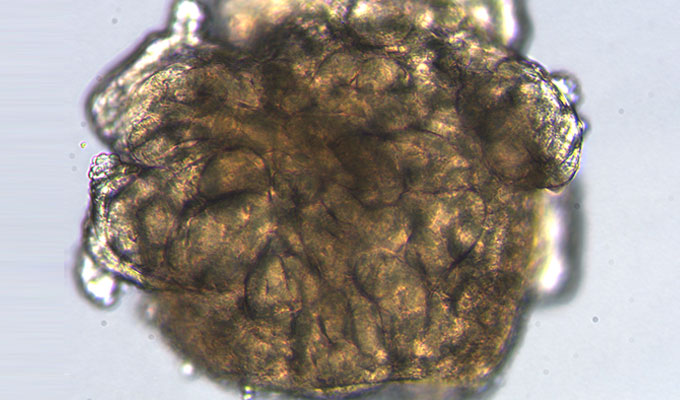
Gliomas are the most common primary brain tumors in adults, ranging from IDH-mutant gliomas to highly aggressive IDH-wild-type glioblastomas. With the current standard of care, patients have a median overall survival of 15 months, which highlights the need for innovative, patient-specific platforms to evaluate novel therapeutic strategies. To that end, we established patient-derived glioma organoids (GOs) from 61 patients, including both IDH-mutant gliomas (GOmut) and IDH-wild-type glioblastoma (GOwt). Characterization of these organoids, which included a range of techniques, including advanced imaging approaches, indicated recapitulation of cellular heterogeneity, histological architecture and molecular signatures of their parental tumors, as well as preservation of clinically relevant features such as immune profiles, vascular structures and tumor subtypes. In addition, the IDH mutation was retained in GOmuts over extended culture periods, and GOs maintained resistance to standard chemotherapeutic agents, as observed for gliomas in patients. We performed unbiased in silico screening via the DiSCoVER platform applied to RNA-seq data from paired tumors and GOs and identified alectinib, dabrafenib, and ruxolitinib as promising candidates. All three compounds proved effective in in vitro cytotoxicity assays, with alectinib and ruxolitinib displaying significant antitumoral effects in vitro. Our findings establish GOs as a clinically relevant and biologically faithful platform for therapeutic screening in glioma. By integrating transcriptomics-based drug discovery with a patient-specific organoid model, we present an easy-to-implement platform for more effective and personalized treatments for glioma patients.
Highlights:
- We established patient-derived glioma organoids (GOs) from 61 patients.
- Organoids were characterized using a range of techniques, including imaging with the THUNDER Imager Cell, against their parental tumors.
- We performed unbiased in silico drug discovery with paired RNA-seq data and validated the results with our glioma models.
- We identified alectinib, dabrafenib, and ruxolitinib as promising candidates.
Speaker
Álvaro Monago Sánchez, Ph.D.
Researcher and part-time teacher, Universidad Francisco de Vitoria in Madrid, Spain
Dr. Álvaro Monago Sánchez is currently a researcher and part-time teacher at Universidad Francisco de Vitoria in Madrid, Spain, where he also recei...
View more 

Moderator
Jennifer Kulhei, Ph.D.
Product Manager, Leica Microsystems
Dr. Jennifer Kulhei studied biochemistry, biophysical chemistry, and animal physiology at the Goethe University. She obtained her PhD at the Max Pl...
View more
Keywords
Organoids, Glioblastoma, Therapeutic screening, Glioma, Personalized therapies
References
Álvaro Monago Sánchez et al. Precision oncology in a dish: patient-derived glioma organoids to guide novel therapeutic strategies. Biomark Res 14, 27 (2026). https://doi.org/10.1186/s40364-026-00894-3
Sponsor
Do you have a question about this webinar?
Post your question, and we'll invite the webinar speaker to respond. You're welcome to join the discussion by answering or commenting on questions ( Note: Not all questions, especially those not directly relevant to the webinar topic, may be answered by the speaker. ).

+
 Post a Question
0 Q&A