3D human multi-cell-type neurospheres from iPSCs
Speaker: Stefan Wendt Moderator: Christopher Lee
Online live: Mar 25, 2026 12:00 PM ET | 9:00 AM PT Posted: Apr 8, 2026 Views: 8069
 Q&A
Q&A
 WEBINAR SERIES

Abstract
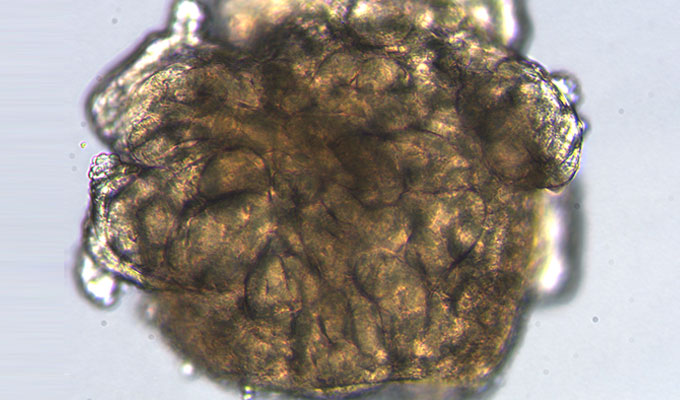
Three-dimensional (3D) human brain tissue models derived from induced pluripotent stem cells (iPSCs) have significantly advanced the study of human neural development and neurological disease in vitro. While cerebral organoids provide high structural complexity, their large size often results in necrotic core formation, limiting reproducibility and complicating the incorporation of microglia. In this webinar, we present a detailed and reproducible protocol for generating multi-cell type 3D human neurospheres composed of neurons and astrocytes, with the optional addition of iPSC-derived microglia.
The protocol is based on the differentiation of iPSCs into neural precursor cells using dual SMAD inhibition, followed by suspension culture to form neurospheres that avoid necrotic core formation and support robust neural maturation. Microglia are generated in parallel from the same iPSC line and can infiltrate mature neurospheres, enabling physiologically relevant studies of neuron–glia interactions. The system is compatible with multiple downstream applications, including live functional imaging of spontaneous neuronal activity using GCaMP6f and immunofluorescence-based analyses.
This webinar will highlight the robustness, scalability, and reproducibility of this neurosphere platform, which has been successfully implemented across multiple laboratories and applied to disease modeling in Alzheimer’s disease (AD).
Highlights
- Step-by-step generation of human iPSC-derived 3D neurospheres.
- Establishment of neuron–astrocyte–microglia tri-culture systems from a single iPSC source.
- Functional and structural validation using live calcium imaging and immunofluorescence.
- Applications in studying neuron–glia interactions and modeling neurodegenerative diseases.
Speaker
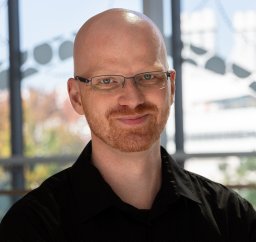
Stefan Wendt, Ph.D.
Postdoctoral Research Fellow, University of British Columbia
Dr. Stefan Wendt is a Postdoctoral Research Fellow at the Djavad Mowafaghian Centre for Brain Health, University of British Columbia, Canada, worki...
View more 

Moderator
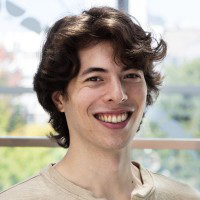
Christopher Lee, M.Sc.
MD/PhD candidate, University of British Columbia
Christopher Lee is an MD/PhD candidate at the University of British Columbia with a background in neuroscience and tissue engineering. He completed...
View more
Keywords
3D neural tissue, In vitro disease modeling, Microglia, Neuro–glia interaction, iPSC-derived cells
References
Wendt, S., Lee, C., Cai, W., Lin, A. J., Huang, J., Poon, V., Xiang, X., Hong, W., MacVicar, B. A. and Nygaard, H. B. (2025). Generation of 3D Human iPSC-Derived Multi-Cell Type Neurospheres for Studying Neuron, Astrocyte, and Microglia Crosstalk. Bio-protocol 15(21): e5493. DOI: 10.21769/BioProtoc.5493.
Wendt, S., Lin, A. J., Ebert, S. N., Brennan, D. J., Cai, W., Bai, Y., Kong, D. Y., Sorrentino, S., Groten, C. J., Lee, C., et al. (2025). A 3D human iPSC-derived multi-cell type neurosphere system to model cellular responses to chronic amyloidosis. J Neuroinflammation. 22(1): 119. https://doi.org/10.1186/s12974-025-03433-3
Chambers, S. M., Fasano, C. A., Papapetrou, E. P., Tomishima, M., Sadelain, M. and Studer, L. (2009). Highly efficient neural conversion of human ES and iPS cells by dual inhibition of SMAD signaling. Nat Biotechnol. 27(3): 275–280. https://doi.org/10.1038/nbt.1529
Hu, B. Y., Weick, J. P., Yu, J., Ma, L. X., Zhang, X. Q., Thomson, J. A. and Zhang, S. C. (2010). Neural differentiation of human induced pluripotent stem cells follows developmental principles but with variable potency. Proc Natl Acad Sci USA. 107(9): 4335–4340. https://doi.org/10.1073/pnas.0910012107
Sponsor

Do you have a question about this webinar?
Post your question, and we'll invite the webinar speaker to respond. You're welcome to join the discussion by answering or commenting on questions ( Note: Not all questions, especially those not directly relevant to the webinar topic, may be answered by the speaker. ).

+
 Post a Question
0 Q&A