


Improved Protocol for Establishing CD4+ Hybridomas Specific for Human Class II MHC/Peptide Complex
建立人Ⅱ类 MHC 肽复合物特异性 CD4+ 杂交瘤的改进方案

发布: 2026年07月05日第16卷第13期 DOI: 10.21769/BioProtoc.5737 浏览次数: 190
评审: Navnita DuttaPriyanka ShandilyaChhuttan L Meena
 PDF
PDF  Q&A
Q&A
参见作者原研究论文
The authors used this protocol in:
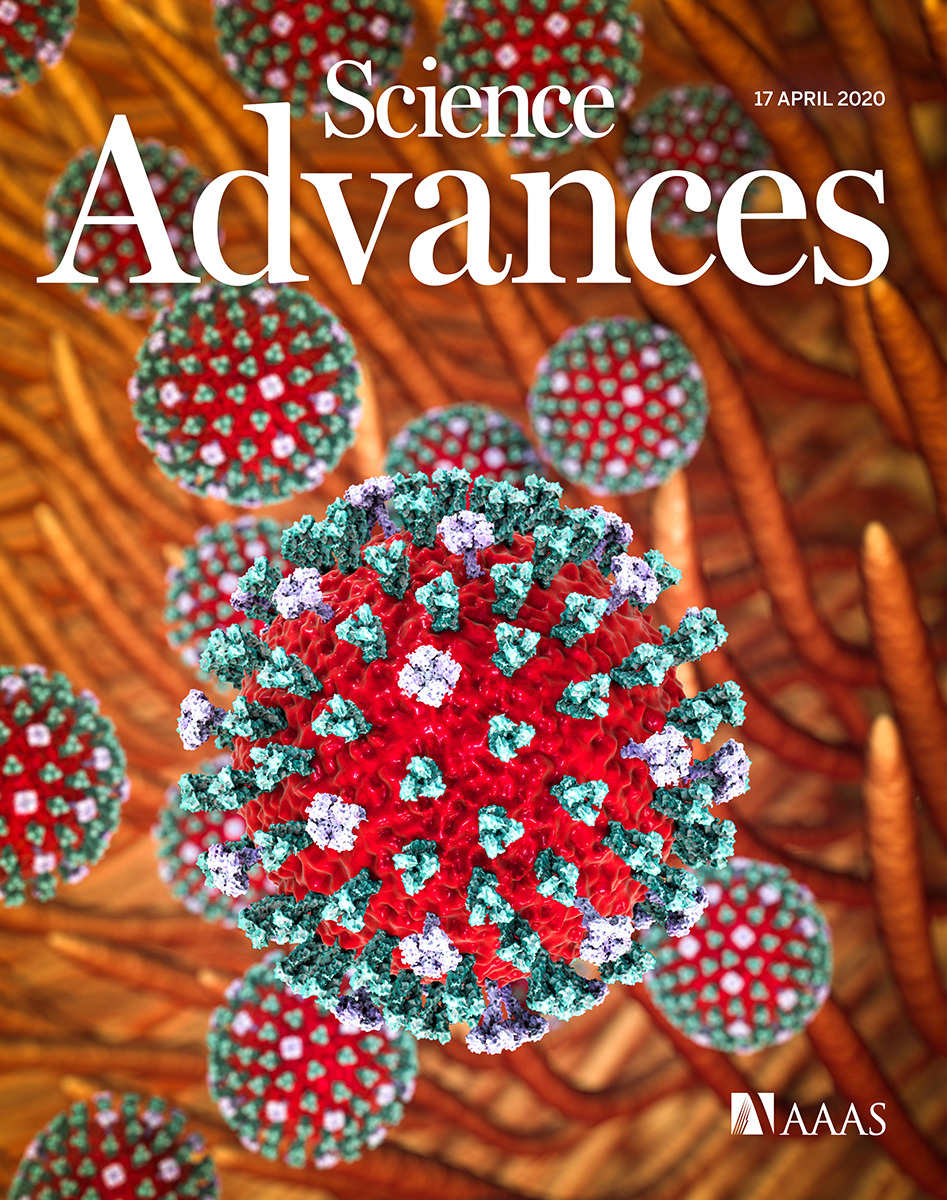
Apr 2020
Advertisement






Abstract
Autoreactive CD4+ T cells are shaped by MHC class II–dependent selection, and HLA-DQ8 is a major susceptibility allele for type 1 diabetes and celiac disease. To define how HLA-DQ8 influences the autoreactive CD4+ T-cell repertoire, we generated T-cell hybridomas from HLA-DQ8 humanized mice using a BW5147 Nur77-GFP (BW-GFP) platform that enables sensitive quantification of antigen-induced T-cell receptor (TCR) signaling. The frequency of autoreactive conventional CD4+ hybridomas observed in HLA-DQ8 mice was higher than previously reported in C57BL/6 mice in our earlier study, suggesting that HLA-DQ8 shapes an autoreactive repertoire. However, because antigen presentation in this system is restricted by human HLA-DQ8 while hybridomas express murine CD4, we considered that CD4-MHC interspecies mismatch might affect signal strength and influence the apparent magnitude of autoreactivity. To address this limitation, we engineered a BW-GFP fusion partner expressing an optimized version of human CD4 (hCD4), restoring optimal CD4-HLA-DQ8 interactions. Hybridomas generated with this modified platform from both regulatory (Treg) and conventional (non-Treg) CD4+ T cells exhibited enhanced responses to HLA-DQ8/peptide complexes compared with hybridomas that do not express hCD4. This approach improves the reactivity and physiological accuracy of screening mouse-derived CD4 hybridomas specific to self and foreign antigens presented by human class II MHC complexes.
Key features
• Improved BW5147 Nur77-GFP thymoma with optimized human CD4 enhances CD4–HLA class II compatibility in HLA-DQ8 humanized hybridoma systems.
• BW modification preserves fusion efficiency with Treg and conventional CD4 T cells, comparable to the parental BW line (n = 10 times for validation).
• Optimized for studying HLA-DQ8-restricted autoimmunity and adaptable to other HLA-transgenic mouse models.
Keywords: Humanized mice (人源化小鼠) HLA-DQ8 (HLA-DQ8)
T-cell hybridoma (T 细胞杂交瘤)
Human CD4 (人 CD4)
Antigen-specific T cells (抗原特异性 T 细胞)
Genetic manipulation (遗传操作)
HLA-DQ8 (HLA-DQ8)
T-cell hybridoma (T 细胞杂交瘤)
Human CD4 (人 CD4)
Antigen-specific T cells (抗原特异性 T 细胞)
Genetic manipulation (遗传操作)
Graphical overview
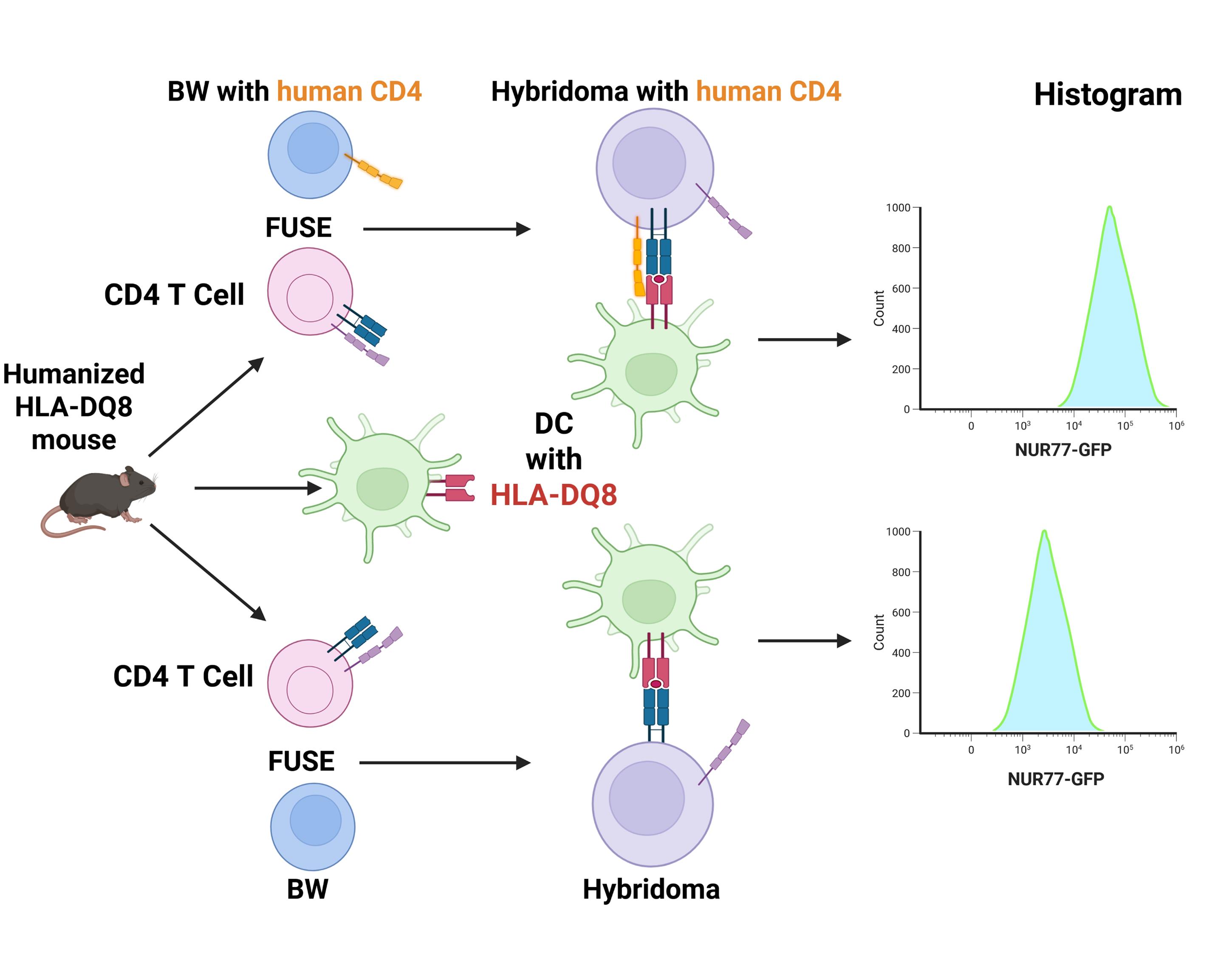
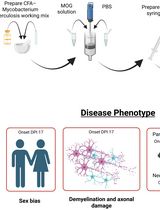
Hybridomas expressing optimized human CD4 are more responsive to human class II MHC/peptide complex. In this hybridoma-based system, antigen-specific responses are evaluated by co-culturing with autologous dendritic cells expressing human HLA-DQ8. Because conventional hybridomas retain murine CD4, the species mismatch with human MHC class II may limit TCR signaling efficiency. Engineered BW-GFP thymoma fusion partner expressing human CD4 addresses this limitation.
Background
In the normal immune repertoire, autoreactive CD4 T cells normally remain quiescent, as their activation is tightly restrained by central and peripheral tolerance. MHC class II molecules play a key role in shaping the repertoire [1]. Extensive genetic and immunological studies have shown that HLA-DQ8 is one of the strongest MHC class II susceptibility alleles for type 1 diabetes (T1D) and celiac disease (CD). HLA-DQ8 contributes to disease risk by preferentially presenting specific self or dietary peptides to CD4+ T cells, thereby promoting pathogenic immune activation [2–5]. Genetically engineered mice expressing human HLA-DQ8 in the absence of endogenous murine MHC class II (Ab-) molecules represent a robust model for investigating autoimmune disease pathogenesis and for characterizing HLA-restricted autoreactive CD4+ T-cell responses [6]. To define antigen specificity and T-cell receptor (TCR)-mediated activation in this context, T-cell hybridomas provide a stable, immortalized, and reproducible platform for antigen-specific functional assays, thereby overcoming the variability and maintenance limitations associated with primary T-cell cultures [7]. T-cell hybridomas are generated by fusing primary murine T cells with an immortal thymoma cell line, enabling stable propagation while preserving antigen-specific TCR expression. Our approach builds upon the hybridoma-based methodology used by several researchers, including Ignatowicz’s laboratory, which utilized BW5147-derived thymoma fusion partners to generate stable, MHC class II–restricted T-cell hybridomas for the analysis of TCR specificity and selection [8,9]. In our system, this platform is further enhanced through integration of a Nur77-GFP reporter into the BW5147 line, allowing highly sensitive recognition and quantification of antigen-induced TCR signaling [10,11]. Using this platform, we analyzed autoreactive responses in sorted CD4+Foxp3- conventional (non-Treg) and CD4+Foxp3+ (Treg) T cells isolated from various lymphatic organs of HLA-DQ8 humanized mice. Approximately 10% of hybridomas derived from CD4+Foxp3- cells exhibited autoreactivity measured by Nur77-GFP upregulation (unpublished data). In contrast, a prior study from our laboratory [12] demonstrated no detectable autoreactive CD4+ T-cell responses in C57BL/6 mice, which express endogenous murine MHC class II molecules and lack human HLA-DQ8. These findings suggest that expression of HLA-DQ8, rather than background genetic differences, drives the expanded autoreactive CD4+ T-cell repertoire.
In this hybridoma-based system, antigen-specific activation is assessed by co-culturing hybridomas with autologous dendritic cells expressing human MHC class II (HLA-DQ8), providing a physiologically relevant model of HLA-restricted antigen presentation and TCR signaling. Efficient activation depends on CD4-mediated stabilization of the TCR–peptide–MHC complex and initiation of proximal signaling events. However, murine CD4 may interact sub-optimally with human HLA-DQ8, which could potentially affect early signaling efficiency [13].
To address this limitation, we engineered a BW-GFP thymoma fusion partner expressing human CD4. The resulting hybridomas co-express murine and human CD4, which is expected to improve CD4–MHC class II compatibility and may lead to more efficient proximal TCR signaling.
We fused both Treg and conventional (non-Treg) CD4+ T cells isolated from HLA-DQ8 Ab- Foxp3-GFP mice with this novel hCD4-expressing BW-GFP line for comparison with the previous BW-GFP line.
Beyond correcting CD4-MHC interspecies incompatibility, this system provides a sensitive and standardized platform for analyzing HLA-DQ8-restricted antigen recognition. It enables precise epitope mapping, quantification of TCR signaling thresholds, and detailed assessment of antigen presentation efficiency in a humanized MHC context.
Moreover, this approach offers a versatile tool for preclinical screening of antigen-specific immunotherapies and can be readily adapted to other HLA-transgenic models to enhance the physiological relevance of humanized T-cell assays.
Materials and reagents
Biological materials
1. HLA-DQ8 Ab- Foxp3-GFP mice (our laboratory, 8–10 weeks of age)
2. Dendritic cells produced from the bone marrow of HLA-DQ8 Ab- Foxp3-GFP mice (our laboratory) [11]
3. BW-GFP thymoma (our laboratory) [11]
4. Phoenix-Eco packaging cells (ATCC, catalog number: CRL-3214)
Reagents
1. CaCl2 (Sigma, catalog number: 223506-25G)
2. HEPES (Sigma, catalog number: H-7006)
3. Na2HPO4 (Sigma, catalog number: S9763-100G)
4. Anti-hCD4 antibody (APC/eFire750; clone RPA-T4) (BioLegend, catalog number: 300559; RRID AB_2629692)
5. Isotype antibody (APC/eFire750; mouse IgG1, κ clone MOPC-21) (BioLegend, catalog number: 400195; RRID AB_2942001)
6. Anti-mCD4 antibody (APC, clone GK1.5) (BioLegend, catalog number: 100412, RRID: AB_312697)
7. Anti-TCR β antibody (Brilliant Violet 650, clone H57-597) (BioLegend, catalog number: 109251, RRID: AB_2810348)
8. Anti-mCD3 antibody (clone: 145-2C11) (BioLegend, catalog number: 100340, RRID: AB_11149115)
9. Anti-mCD28 antibody (clone: 37.51) (BioLegend, catalog number: 102116, RRID: AB_11147170)
10. PBS without calcium and magnesium (Fisher, catalog number: MT21040CV)
11. DAPI (Thermo Fisher Scientific, catalog number: 62247)
12. PMA (Sigma, catalog number: P1585-1MG)
13. Ionomycin (Sigma, catalog number: I0634-1MG)
14. EDTA (Invitrogen, catalog number: AM9260G)
15. FBS (R&D Systems, catalog number: S11150H)
16. MEM (Minimum Essential Medium Eagle with Earle’s salts & L-glutamine) (Corning, catalog number: 10-010-CV)
17. HAT supplement 50× (Gibco, catalog number: 21060-017)
18. Hank’s balanced salt solution (HBSS) without calcium and magnesium and phenol red (Corning, catalog number: 21-022-CM)
19. Polybrene (Sigma, catalog number: H9268-5G)
20. Boric acid (Fisher Chemical, catalog number: A73-500)
21. Recombinant murine IL2 (PEPROTECH, catalog number: 212-12-20UG)
22. Polyethylene glycol (PEG) 1450, Waxy Soft Solid (J.T.Baker, catalog number: U220-07)
23. Dextrose (Sigma, catalog number: G7021)
24. Glutamine (Sigma, catalog number: G-8540)
25. Essential amino acids (50×) (Gibco, catalog number: 111-30051)
26. Non-essential amino acids (100×) (Gibco, catalog number: 11140-050)
27. Sodium pyruvate (100×) (Gibco, catalog number: 11360-070)
28. Sodium bicarbonate (Sigma, catalog number: S-5761)
29. Gentamycin (Sigma, catalog number: G-3632)
30. Penicillin G (Sigma, catalog number: P3032)
31. Streptomycin sulfate (Sigma, catalog number: S-9137)
32. 2-Mercaptoethanol (14.3 M) (Sigma, catalog number: M-7522)
33. NaCl (Fisher Chemical, catalog number: S271-5000)
34. NaOH (Fisher Chemical, catalog number: SS267)
35. HCl (Fisher Chemical, catalog number: SA48-1)
36. Freund’s adjuvant, complete (Sigma, catalog number: F5881-6X 10 mL)
37. Freund’s adjuvant, incomplete (Sigma, catalog number: F5506-6X 10 mL)
Solutions
1. 2.5 M CaCl2 (see Recipes)
2. 2× HBS (see Recipes)
3. Borate buffer (see Recipes)
4. Tumor cocktail (see Recipes)
5. FACS buffer
Recipes
1. 2.5 M CaCl2
| Reagent | Final concentration | Quantity or volume |
|---|---|---|
| CaCl2 | 2.5 M | 27.2 g |
| H2O | n/a | 100 mL |
2. 2× HBS
| Reagent | Final concentration | Quantity or volume |
|---|---|---|
| NaCl | 1.6% | 0.8 g |
| HEPES | 1.3% | 0.65 g |
| Na2HPO4 | 2% | 1 mL |
| H2O | n/a | 49 mL |
| NaOH/HCl | n/a | n/a |
To make Na2HPO4 stock solution, add 0.525 g in 50 mL water. Adjust pH to 7.0 using NaOH or HCl. Bring the volume up to 50 mL. Check pH again.
Critical: The pH is very important; it must be exactly 7.0.
3. Borate buffer
| Reagent | Final concentration | Quantity or volume |
|---|---|---|
| Boric acid | 0.1 M | 0.6183 g |
| H2O | n/a | 100 mL |
| NaOH | n/a | n/a |
Adjust pH to 8.5 using NaOH. Bring the volume up to 100 mL. Check pH again.
4. Tumor cocktail
| Reagent | Final concentration | Quantity or volume |
|---|---|---|
| MEM | n/a | 351 mL |
| Dextrose | 11.21 mg/mL | 7.5 g |
| Glutamine | 4.87 mg/mL | 3.259 g |
| Essential amino acids (50×) | 11.21% v/v | 75 mL |
| Non-essential amino acids (100×) | 20.93% v/v | 140 mL |
| Sodium pyruvate (100×) | 14.95% v/v | 100 mL |
| Adjust pH to 7.0 with 10 N NaOH | ||
| Sodium bicarbonate | 12.71 mg/mL | 8.5 g |
| Gentamycin | 0.747 mg/mL | 500 mg |
| Penicillin G | 0.897 mg/mL | 600 mg |
| Streptomycin sulfate | 1.495 mg/mL | 1 g |
| 2-Mercaptoethanol (14.3 M) | 0.0508 μL/mL | 34 μL |
Filter through a 0.22 µm filter. Aliquot 30 mL per tube. Store at -20 °C.
5. FACS buffer
| Reagent | Final concentration | Quantity or volume |
|---|---|---|
| PBS | - | 1 L |
| EDTA | 1 mM | 372 mg |
| FBS | 1% (v/v) | 10 mL |
Laboratory supplies
1. 96-well round-bottom plate (Corning, catalog number: 3797)
2. 96-well flat-bottom plate (Corning, catalog number: 3596)
3. Falcon polypropylene tubes (Fisher, catalog number: 05-538-53D)
4. 40 μm strainer (Corning, catalog number: CLS431750)
5. 25 cm2 cell culture flask (Corning, catalog number: 430639)
Equipment
1. Flow cytometry analyzers and cell sorter (Beckman):
a. Analyzers: CytoFLEX LX (N3-V5-B3-Y5-R3-I2), 6 lasers (375, 405, 488, 561, 638, 808 nm), 21 parameters
b. Sorter: CytoFLEX SRT (V5-B2-Y5-R3); 4 lasers (405, 488, 561, 638 nm); 15 parameters; 4 -way sorter, capable of sorting single cells onto a 96 or 384 plate
2. Cell counter (Beckman, model: Z1 Coulter particle counter)
3. Centrifuge (Thermo Scientific, Sorvall Legend, model: XTR)
4. Pipette (PIPETMAN, model: GILSON)
5. Incubator (Thermo Scientific, model: HERACELL VIOS 160i CO2 Incubator)
6. Microscope (Leica, model: DMIL LED)
7. Biosafety cabinet class II (Thermo Scientific, model: 1300 Series A2)
Software and datasets
1. FlowJo (v10.10.0; BD)
2. Prism (v11.0.1; GraphPad)
Procedure
登录/注册后免费查看全文
文章信息
稿件历史记录
提交日期: Apr 7, 2026
接收日期: May 22, 2026
在线发布日期: Jun 10, 2026
出版日期: Jul 5, 2026
版权信息
© 2026 The Author(s); This is an open access article under the CC BY-NC license (https://creativecommons.org/licenses/by-nc/4.0/).
如何引用
Readers should cite both the Bio-protocol article and the original research article where this protocol was used:
- Mousavinasab, F., Szurek, E. A., Cebula, A., Ignatowicz, L. and Kuczma, M. P. (2026). Improved Protocol for Establishing CD4+ Hybridomas Specific for Human Class II MHC/Peptide Complex. Bio-protocol 16(13): e5737. DOI: 10.21769/BioProtoc.5737.
- Kuczma, M. P., Szurek, E. A., Cebula, A., Chassaing, B., Jung, Y. J., Kang, S. M., Fox, J. G., Stecher, B. and Ignatowicz, L. (2020). Commensal epitopes drive differentiation of colonic T regs. Sci Adv. 6(16): eaaz3186. https://doi.org/10.1126/sciadv.aaz3186

 Download Citation in RIS Format
分类
免疫学 > 免疫细胞功能 > 抗原特异反应
免疫学 > 动物模型 > 小鼠
细胞生物学 > 细胞工程 > 细胞融合技术
您对这篇实验方案有问题吗?
在此处发布您的问题,我们将邀请本文作者来回答。同时,我们会将您的问题发布到Bio-protocol Exchange,以便寻求社区成员的帮助。
 发布问题
发布问题


